مثال عملي · تغييرات Word المتعقبة، ثم البولندية
رسالة صحية للآباء تم تبسيطها باستخدام تتبع التغييرات، ثم باللغة البولندية.
تلقى فريق محلي لحماية الصحة نموذج رسالة من وكالة الأمن الصحي في المملكة المتحدة موجهة للآباء بعد إصابة في المدرسة بمرض المكورات السحائية. طلب الفريق من إعادة صياغتها للآباء ذوي مستويات القراءة المنخفضة، كتغييرات متعقبة في نفس ملف Word، ليتمكن استشاري الفريق من قبول أو رفض كل تعديل.
أعاد صياغة النص بجمل قصيرة وحافظ على كل حقيقة طبية، وعنوان، وجهة اتصال، وتنسيق. وبعد أن قبل الاستشاري التغييرات، أجرى تعديليه كتغييرات متعقبة جديدة، ثم أعدّ نسخة بولندية نظيفة لمدرسة يدرس فيها كثير من أبناء العائلات البولندية.
1قالب خطاب UKHSA: جمل طويلة ومصطلحات طبية
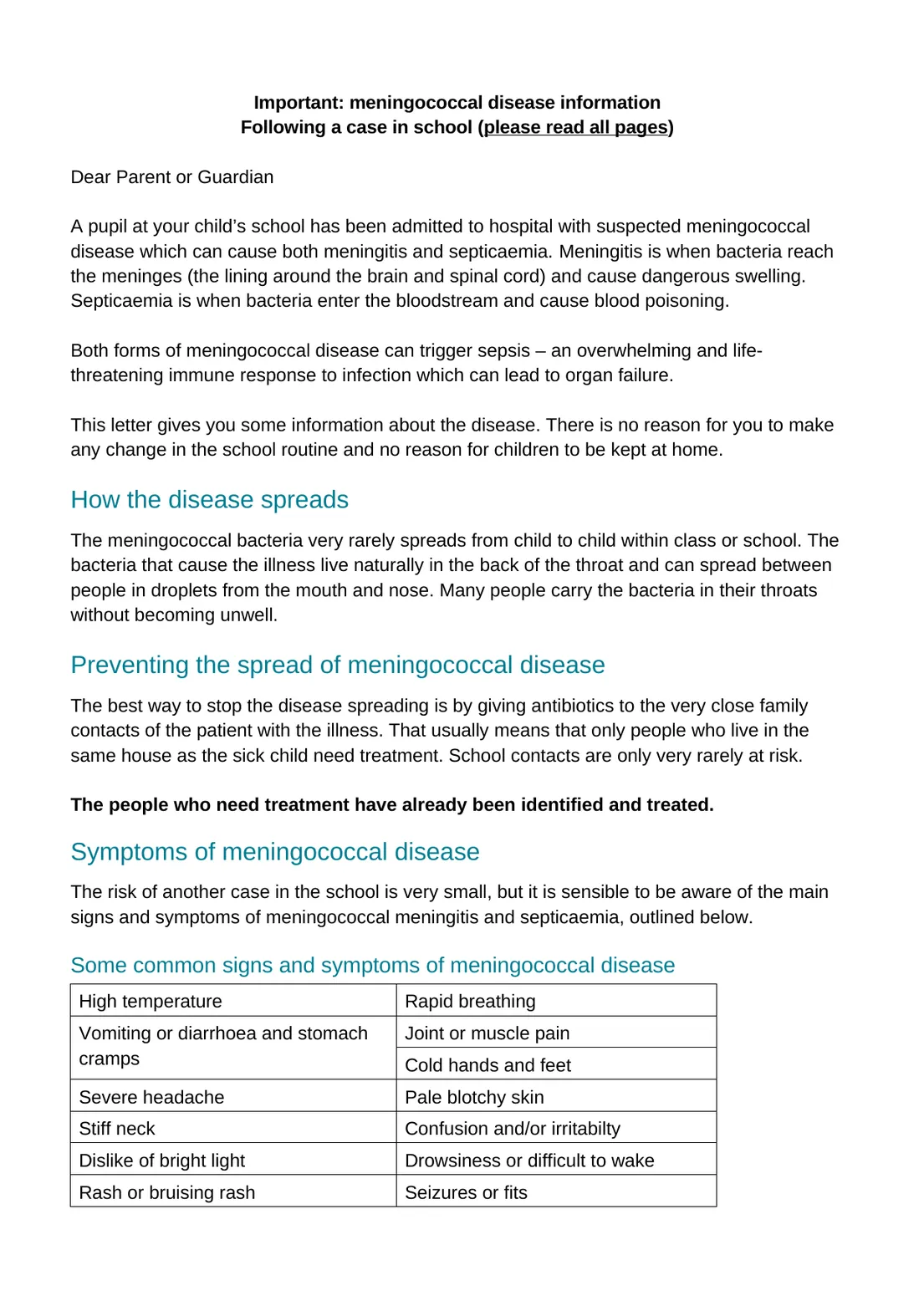
Important: meningococcal disease information
A pupil at your child’s school has been admitted to hospital with suspected meningococcal disease which can cause both meningitis and septicaemia. Meningitis is when bacteria reach the meninges (the lining around the brain and spinal cord) and cause dangerous swelling. Septicaemia is when bacteria enter the bloodstream and cause blood poisoning.
- 19.8 → 7.9متوسط عدد الكلمات في الجملة
- 169إضافات وحذف متعقبة للقبول أو الرفض
- 0عناوين أو تنسيقات أو خلايا جدول تغيرت بخلاف تصحيح الخطأ المطبعي المطلوب
- 2الفقرات التي تأثرت بالطلب 2، ولا شيء آخر
فتح الملفات الفعلية
هذه هي الملفات الفعلية من التشغيل. قم بتنزيلها وافتحها في Word: تُفتح النسخ المتعقبة مع وضع علامات على كل تغيير.
مصدر الملف: GOV.UK, وكالة الأمن الصحي في المملكة المتحدة، "التواصل مع الآباء بعد إصابة في المدرسة بمرض المكورات السحائية" (إرشادات إدارة مرض المكورات السحائية). تحتوي على معلومات قطاع عام مرخصة بموجب رخصة الحكومة المفتوحة الإصدار 3.0. لم تراجع UKHSA هذا المثال ولم تعتمده.
01 · ملف البداية
نموذج من ثلاث صفحات بتنسيقاته الخاصة وجدول مدمج
تشرح الرسالة التهاب السحايا وتعفن الدم والإنتان، ومن يحصل على المضادات الحيوية، ومتى يجب الاتصال بـ NHS 111 أو 999، واللقاحات التي يحصل عليها الأطفال في كل عمر. يبلغ طول جملها نحو 20 كلمة، وتتضمن كلمات مثل "السحايا" و"استجابة مناعية مفرطة".
إنه نموذج Word حقيقي: تنسيقات مخصصة للعناوين والنصوص، وجهتا اتصال لمؤسستين خيريتين بتنسيق نقطي، وعلامات حجز صفراء "إدراج جهة الاتصال"، وجدول من 13 عرضاً يدمج عموده الأيسر صفين. كان يجب أن يبقى كل ذلك سليماً بعد إعادة الصياغة.
02 · الطلب 1
أعد صياغتها للآباء ذوي مستويات القراءة المنخفضة، كتغييرات متعقبة
ما كتبه فريق حماية الصحة
This is the UKHSA template letter to parents after a school case of meningococcal disease (3 pages). Please rewrite the body text so parents with low literacy can follow it - short sentences, everyday words, reading age about 9-11.

- Keep every medical fact: what meningitis, septicaemia and sepsis are, who gets antibiotics, when to call NHS 111 or 999, and all the vaccine ages
- Keep the four section headings and the symptoms table as they are - in the table only fix the typo 'irritabilty'
- Keep the two charity contacts and the yellow 'insert contact...' placeholders in the last paragraph unchanged
- Keep the existing paragraph styles

Please do it as tracked changes in this same Word file, so our consultant can accept or reject each edit.
ما عملته
- أعيدت صياغة فقرات النص بجمل قصيرة وكلمات يومية: أصبحت كلمة "سحايا" (meninges) "البطانة المحيطة بالدماغ والحبل الشوكي".
- تم الاحتفاظ بكل حقيقة أدرجها الطلب، بما في ذلك جميع أعمار اللقاحات وموعد اللقاح التداركي عند سن الـ 25.
- تم ترك العناوين الأربعة، وجهتي الاتصال الخيريتين، وعلامات الحجز الصفراء كما كانت؛ وفي الجدول تم تصحيح كلمة "irritabilty" فقط.
- تم الاحتفاظ بكل تنسيق فقرة وخلية الجدول المدمجة.
- تم تسليم الرسالة مرتين: النسخة النظيفة الجديدة ونسخة من الأصل مع كل تعديل كتغيير متعقب في Word.
Important: meningococcal disease information
Following a case in school (please read all pages)
Dear Parent or Guardian
4A pupil at your child’s school has been admitted to hospital with suspectedis in hospital. Doctors think it is meningococcal disease which. This disease can cause both meningitis and septicaemiatwo illnesses. One is meningitis. Meningitis is when bacteriameans germs reach the meninges (the lining around the brain and spinal cord) and cause. The lining swells, and this is very dangerous swelling. The other illness is septicaemia. Septicaemia is when bacteria enter the bloodstream and cause blood poisoning. means germs get into the blood. They poison the blood.
Both forms of meningococcal disease can trigger sepsis – an overwhelming and life-threatening immune response to infection which can lead to organ failure. illnesses can cause sepsis. Sepsis is when the body fights infection too hard. This can harm the body a lot. It can stop organs from working. It can kill.
This letter givestells you some information about the disease. There is no reason for you to make any change in the school routine and no reason for children to be keptPlease do not worry. Your child can still go to school. School will run as normal. No child needs to stay at home.
How the disease spreads
The meningococcal bacteria very rarely spreads from child to child withinThis disease does not often spread in class or school. The bacteria that cause the illness live naturally ingerms live at the back of the throat and can spread between people in droplets. They pass in tiny drops from the mouth and nose. Many people carry the bacteria in their throats without becoming unwellgerms. They do not feel ill.
Preventing the spread of meningococcal disease
The best way toAntibiotics stop the disease from spreading. is by giving antibiotics to theOnly very close family contacts of the patient with the illnessneed them. That usuallyoften means that only people who live in the same house as the sick child need treatment. School contacts are only very rarely at risk. home. Children at school are almost never at risk.
The people who need treatment have already been identified and treatedhealth team has found those people. They have had their treatment.
Symptoms of meningococcal disease
The risk of anotherAnother case in the school is very small, butunlikely. But it is sensible to be aware ofhelps to know the main signs. and symptoms of meningococcal meningitis and septicaemia, outlined below. You can see them in the table below.
Some common signs and symptoms of meningococcal disease
High temperature
Rapid breathing
Vomiting or diarrhoea and stomach cramps
Joint or muscle pain
Cold hands and feet
Severe headache
Pale blotchy skin
Stiff neck
Confusion and/or irritabiltyirritability
Dislike of bright light
Drowsiness or difficult to wake
Rash or bruising rash
Seizures or fits
OneYou may see one or more of these symptoms may develop and they can appearsigns. They can come in any order.
Meningococcal disease can be hard to identify at first because it can be like a bad case of flu. However, anyone affected with meningococcal disease will usually become seriously ill within a few hours. You should keep checking your child if they are unwell and contact your GP (family doctor) or NHS 111 for advice if you have any concerns. At first it can look like flu. So it can be hard to spot. A sick person can get very ill within hours. Keep checking your child if they feel unwell. If you are worried, call your GP or NHS 111.
If you becomeare worried about your child’s condition, particularly if they are getting worse, seek medical help urgently at the closest A&E Department or by dialling 999. , act fast. If your child gets worse, get help urgently. Go to A&E or call 999.
Be watchful and use your instincts. Early treatment can be life savingKeep a close watch. Trust what you feel. Getting help early can save a life.
Protecting against meningococcal disease
It is important to be aware that meningococcal disease is caused by different groups of meningococcal bacteria. In the UK meningococcal disease is almost always caused by one of four meningococcal groups commonly known as MenB, MenC, MenW or MenY. These groups of meningococcal disease can be prevented with vaccines. MenA disease is rare in the UK but this can also be prevented by vaccinationMany types of germs cause this disease. In the UK it is almost always MenB, MenC, MenW or MenY. Vaccines can stop these types. MenA is rare in the UK. A vaccine can stop MenA too.
The following meningococcalUK gives these vaccines are offered as part of theas routine UK schedule:
MenB vaccine (which protects againststops most cases of MenB disease), routinely offered as. Babies get 3 doses given as part of the infant immunisation programme. They get them at 8 weeks, 16 weeks and 12 months of age. Children born in the UK. All children born on or after 1 May 2015 have beenwere offered this vaccine.
Hib-MenC vaccine (which protects againststops MenC disease), routinely offered. Children get it at 12 months. asIt is part of the routine childhood immunisation programmevaccine plan.
MenACWY vaccine (which protects againststops MenA, MenC, MenW and MenY disease) routinely offered. Young people get it at 13 to 15 years of age. old.
AnyoneDid your child miss the teen MenACWY vaccine? If they were born on or after 1 September 1996 who was eligible but missed their teenage MenACWY vaccine can still have the vaccine, they can still have it. They can have it up to their 25th birthday. Anyone who isAre you older and starting university for the first time? You can still have the vaccineit up to theiryour 25th birthday. For a young personIf your child is still at school speak to their, ask the school provider to arrange vaccination otherwise you will need to make an appointment with theirvaccine team. If not, book with your GP practice.
Please ensurecheck your child is up to date with their routine vaccinations with their. Ask your GP practice. Even if theyyour child had MenC vaccine when they were younger, it is important that teenagers get the MenACWY vaccine as it boosts protection against MenC disease and protects against more groups of meningococcal disease. as a baby, they still need MenACWY as a teen. It boosts MenC cover. It also guards against more types.
Be watchfulWatch for signs and symptoms even if your child is up to date with their vaccinations as available vaccines do not protect against all causes of the diseaseafter vaccines. Vaccines do not stop every cause.
All meningococcal vaccines offered to eligible children as part of routine programmes are freely available on the NHS. Vaccines may be available privately for those who are not eligible under these programmes. Meningococcal disease can affect anyone of any age but the national immunisation programmes targetRoutine vaccines are free on the NHS for eligible children. If you are not eligible, you may pay for them privately. This disease can affect any age. But the NHS plan guards those most at risk.
Further information on meningococcal disease is available from:
8• The Meningitis Research Foundation, www.meningitis.org telephone: 0808 800 3344
11• Meningitis Now, www.meningitisnow.org telephone: 0808 80 10 388 helpline email address: [email protected]
16If you need further support or advice, please contact insert contact details or call us insert contact telephone number.
19تحققنا منه: تحتوي النسخة المتعقبة على 71 إضافات و98 حذف؛ تنسيقات الفقرات تطابق النموذج تماماً؛ العناوين الخمسة لم تتغير؛ الجدول لا يزال مكوناً من 7 صفوف في عمودين مع خلية مدمجة، وتغييره الوحيد هو كلمة "irritability"; أعمار اللقاحات، وNHS 111، و999، وA&E، وجهتا الاتصال الخيريتان كلها موجودة؛ علامات الحجز تحتفظ بتمييزها الأصفر.
03 · الطلب 2
قبول جميع التغييرات، ثم إجراء تعديلين كتغييرات متعقبة جديدة
ما كتبه فريق حماية الصحة
The consultant has reviewed it. Please:
1. Accept all the tracked changes from your rewrite.
2. Make sure the word 'septicaemia' is used (not replaced by a simpler word), with a short explanation in brackets the first time it appears, e.g. 'septicaemia (blood poisoning)'.
3. In the last paragraph, replace 'insert contact details' with 'the Thames Valley Health Protection Team' and 'insert contact telephone number' with '0344 225 3861', and remove the yellow highlight.

Make changes 2 and 3 as new tracked changes.
ما عملته
- تم العمل من النسخة النظيفة، وهي الرسالة التي تم فيها قبول جميع تغييرات الطلب الأول.
- تم الاحتفاظ بكلمة "تعفن الدم" (septicaemia) وإضافة "(تسمم الدم)" في المرة الأولى التي تظهر فيها.
- تم وضع اسم الفريق ورقم هاتفه بدلاً من علامتي الحجز، وإزالة التمييز الأصفر.
- تم تسليم نسخة متعقبة جديدة توضح هذه التعديلات فقط.
A pupil at your child’s school is in hospital. Doctors think it is meningococcal disease. This disease can cause two illnesses. One is meningitis. Meningitis means germs reach the lining around the brain and spinal cord. The lining swells, and this is very dangerous. The other illness is septicaemia (blood poisoning). Septicaemia means germs get into the blood. They poison the blood.
Protecting against meningococcal disease
If you need further support or advice, please contact insert contact detailsthe Thames Valley Health Protection Team or call us insert contact telephone number0344 225 3861.
تحققنا منه: تحتوي النسخة المتعقبة الجديدة على 3 إضافات وحذفين بالضبط، كلها في هاتين الفقرتين؛ لم يتبق أي تمييز في الفقرة الأخيرة؛ التنسيقات والجدول لم تتغير.
04 · الطلب 3
نسخة بولندية نظيفة من الرسالة النهائية
ما كتبه فريق حماية الصحة
Now make a Polish translation of the final letter as a separate Word file. Translate the accepted text only - the Polish copy should have no tracked changes. Keep the same headings, styles and the 2-column symptoms table, and leave all phone numbers, web addresses, the email address and the vaccine names (MenB, Hib-MenC, MenACWY) exactly as they are.
ما عملته
- تم إنشاء ملف Word منفصل من الرسالة النهائية وترجمته، بدون أي تغييرات متعقبة فيه.
- تم الاحتفاظ بتنسيقات النموذج، والعناوين، وجدول الأعراض المكون من عمودين مع خليته المدمجة.
- تم ترك أرقام 999 وNHS 111، وكل رقم هاتف، وعناوين الويب، وعنوان البريد الإلكتروني، ولقاحات MenB وHib-MenC وMenACWY كما هي تماماً.
Ważne: informacje o chorobie meningokokowej
Po przypadku zachorowania w szkole (prosimy przeczytać wszystkie strony)
Szanowni Rodzice i Opiekunowie
Uczeń ze szkoły Państwa dziecka przebywa w szpitalu. Lekarze podejrzewają chorobę meningokokową. Choroba ta może wywołać dwie choroby. Jedną z nich jest zapalenie opon mózgowych. Zapalenie opon mózgowych oznacza, że zarazki docierają do błon otaczających mózg i rdzeń kręgowy. Błony te puchną, a to jest bardzo niebezpieczne. Drugą chorobą jest posocznica (zakażenie krwi). Posocznica (zakażenie krwi) oznacza, że zarazki dostają się do krwi. Zatruwają krew.
Obie choroby mogą prowadzić do sepsy. Sepsa występuje wtedy, gdy organizm zbyt mocno walczy z zakażeniem. Może to bardzo uszkodzić organizm. Może spowodować, że narządy przestaną działać. Może prowadzić do śmierci.
Ten list zawiera informacje o tej chorobie. Prosimy się nie martwić. Państwa dziecko może nadal chodzić do szkoły. Szkoła będzie działać normalnie. Żadne dziecko nie musi zostawać w domu.
Jak rozprzestrzenia się choroba
Choroba ta rzadko rozprzestrzenia się w klasie lub w szkole. Zarazki żyją w tylnej części gardła. Przenoszą się w drobnych kropelkach z ust i nosa. Wiele osób nosi te zarazki. Nie czują się chore.
Zapobieganie rozprzestrzenianiu się choroby meningokokowej
Antybiotyki powstrzymują rozprzestrzenianie się choroby. Potrzebują ich tylko bardzo bliskie kontakty rodzinne. Zwykle oznacza to tylko osoby mieszkające w tym samym domu. Dzieci w szkole prawie nigdy nie są zagrożone.
Zespół ds. zdrowia odnalazł te osoby. Otrzymały one leczenie.
Objawy choroby meningokokowej
Kolejny przypadek zachorowania w szkole jest bardzo mało prawdopodobny. Warto jednak znać główne objawy. Można je zobaczyć w poniższej tabeli.
Niektóre częste oznaki i objawy choroby meningokokowej
Wysoka gorączka
Szybkie oddychanie
Wymioty lub biegunka i bóle brzucha
Ból stawów lub mięśni
Zimne dłonie i stopy
Silny ból głowy
Blada, plamista skóra
Sztywność karku
Dezorientacja i/lub drażliwość
Unikanie jasnego światła
Senność lub trudności z obudzeniem
Wysypka lub wysypka z siniakami
Drgawki lub napady drgawek
Może wystąpić jeden lub więcej z tych objawów. Mogą pojawić się w dowolnej kolejności.
Na początku może to wyglądać jak grypa. Dlatego trudno to rozpoznać. Chora osoba może bardzo ciężko zachorować w ciągu kilku godzin. Obserwuj dziecko, jeśli źle się czuje. Jeśli się martwisz, zadzwoń do lekarza rodzinnego (GP) lub pod numer NHS 111.
Jeśli się martwisz, działaj szybko. Jeśli stan dziecka się pogarsza, poszukaj pomocy natychmiast. Zgłoś się na SOR (A&E) lub zadzwoń pod numer 999.
Uważnie obserwuj dziecko. Ufaj temu, co czujesz. Wczesna pomoc może uratować życie.
Ochrona przed chorobą meningokokową
Tę chorobę wywołuje wiele rodzajów zarazków. W Wielkiej Brytanii prawie zawsze są to MenB, MenC, MenW lub MenY. Szczepionki mogą chronić przed tymi typami. MenA występuje w Wielkiej Brytanii rzadko. Szczepionka chroni również przed MenA.
W Wielkiej Brytanii rutynowo podaje się następujące szczepionki:
Szczepionka MenB chroni przed większością zachorowań wywołanych przez MenB. Niemowlęta otrzymują 3 dawki. Podaje się je w 8. tygodniu, 16. tygodniu i 12. miesiącu życia. Tę szczepionkę zaproponowano wszystkim dzieciom urodzonym 1 May 2015 lub później.
Szczepionka Hib-MenC chroni przed chorobą wywołaną przez MenC. Dzieci otrzymują ją w 12. miesiącu życia. Jest ona częścią rutynowego kalendarza szczepień.
Szczepionka MenACWY chroni przed chorobami wywołanymi przez MenA, MenC, MenW i MenY. Młodzież otrzymuje ją w wieku od 13 do 15 lat.
Czy Twoje dziecko pominęło szczepienie MenACWY dla nastolatków? Jeśli urodziło się 1 September 1996 lub później, nadal może je otrzymać. Może je otrzymać do swoich 25. urodzin. Czy jesteś osobą starszą i po raz pierwszy zaczynasz studia? Nadal możesz je otrzymać do swoich 25. urodzin. Jeśli Twoje dziecko nadal chodzi do szkoły, zapytaj szkolny zespół ds. szczepień. Jeśli nie, umów się w przychodni lekarza rodzinnego.
Sprawdź, czy Twoje dziecko ma aktualne szczepienia. Zapytaj w przychodni lekarza rodzinnego. Nawet jeśli Twoje dziecko otrzymało szczepionkę MenC jako niemowlę, jako nastolatek nadal potrzebuje szczepionki MenACWY. Wzmacnia ona ochronę przed MenC. Chroni też przed większą liczbą typów.
Obserwuj objawy nawet po szczepieniach. Szczepionki nie chronią przed każdą przyczyną choroby.
Rutynowe szczepionki są bezpłatne w ramach NHS dla uprawnionych dzieci. Jeśli nie są Państwo uprawnieni, mogą Państwo zapłacić za nie prywatnie. Choroba ta może dotknąć osoby w każdym wieku. Program szczepień NHS chroni jednak osoby najbardziej zagrożone.
Dodatkowe informacje na temat choroby meningokokowej są dostępne w:
• The Meningitis Research Foundation, www.meningitis.org telefon: 0808 800 3344
• Meningitis Now, www.meningitisnow.org telefon: 0808 80 10 388 adres e-mail infolinii: [email protected]
Jeśli potrzebują Państwo dodatkowego wsparcia lub porady, prosimy o kontakt z Zespołem Ochrony Zdrowia Thames Valley lub o telefon pod numer 0344 225 3861.
تحققنا منه: لا توجد تغييرات متعقبة في الملف؛ نفس تنسيقات الفقرات ونفس الجدول المكون من 7 صفوف في عمودين؛ أعمار اللقاحات مكتوبة بـ "8. tygodniu", "16. tygodniu", "12. miesiącu", "od 13 do 15 lat" و "25. urodzin"; سطر الاتصال يذكر فريق Thames Valley ورقم 0344 225 3861.
جدير بالمعرفة: في المرة الأولى التي تم فيها تنفيذ هذا الطلب، تم إنشاء النسخة البولندية من الرسالة قبل الطلب 2. لقد قمنا بإصلاح طريقة تمييز لأحدث إصدار من الملف، والنسخة المعروضة هنا هي إعادة تنفيذ لنفس الطلب في نفس المحادثة.
تعديلات يمكن للمراجع قبولها واحداً تلو الآخر
معظم أدوات الذكاء الاصطناعي تعيد نصاً مُعاد صياغته لتلصقه بنفسك. يعدّل ملف Word الخاص بك في مكانه، ويحافظ على تنسيقاته وجداوله، ويمنحك التغييرات كتغييرات متعقبة حقيقية، ويترجم النسخة التي اعتمدتها.
تابع القراءة
اقرأ مثالاً عملياً آخر
المصرفيون والاستشاريون
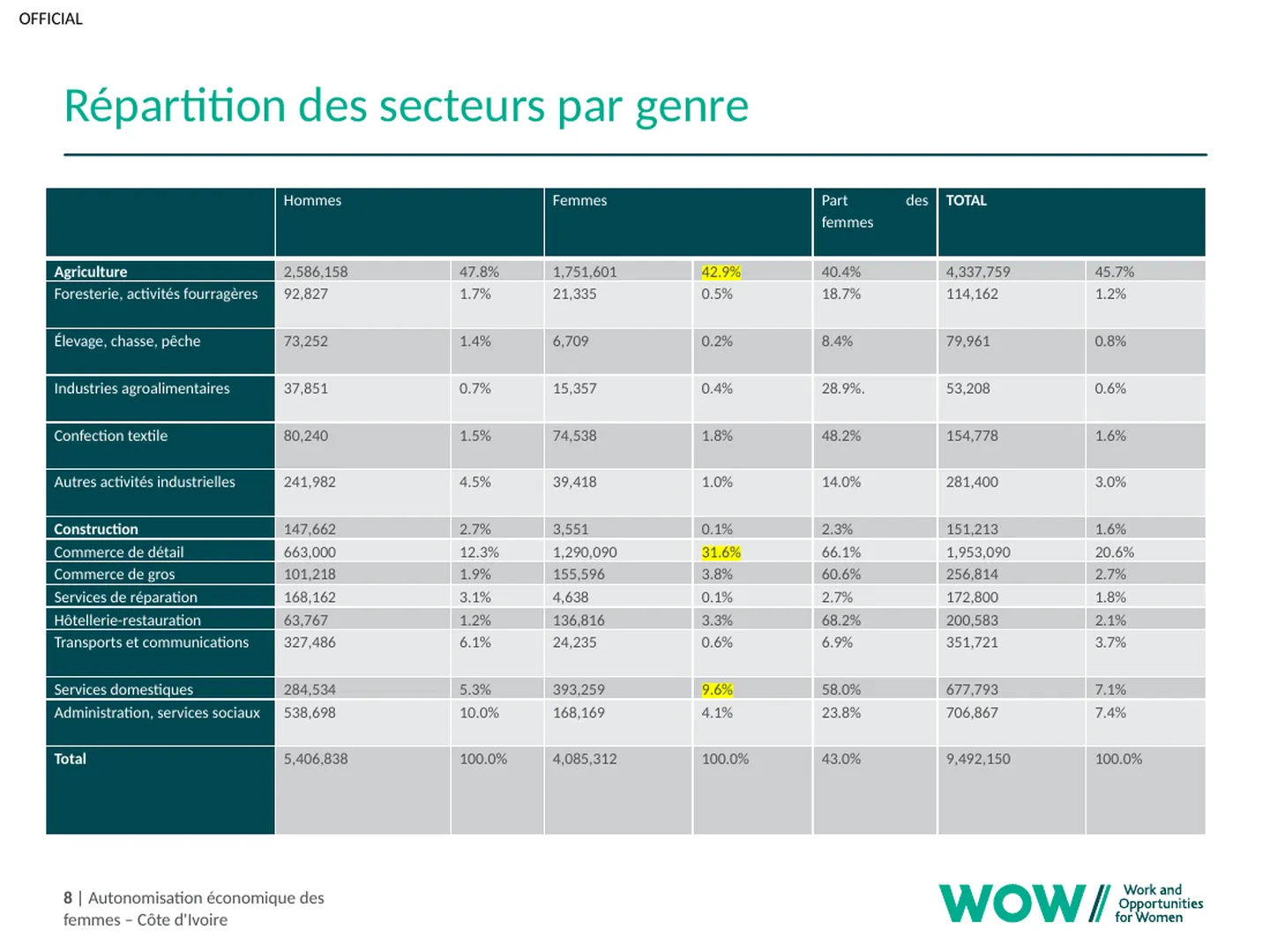
عرض تنموي من 23 شريحة بالفرنسية، ثم ثلاثة تصحيحات
المصرفيون والاستشاريون
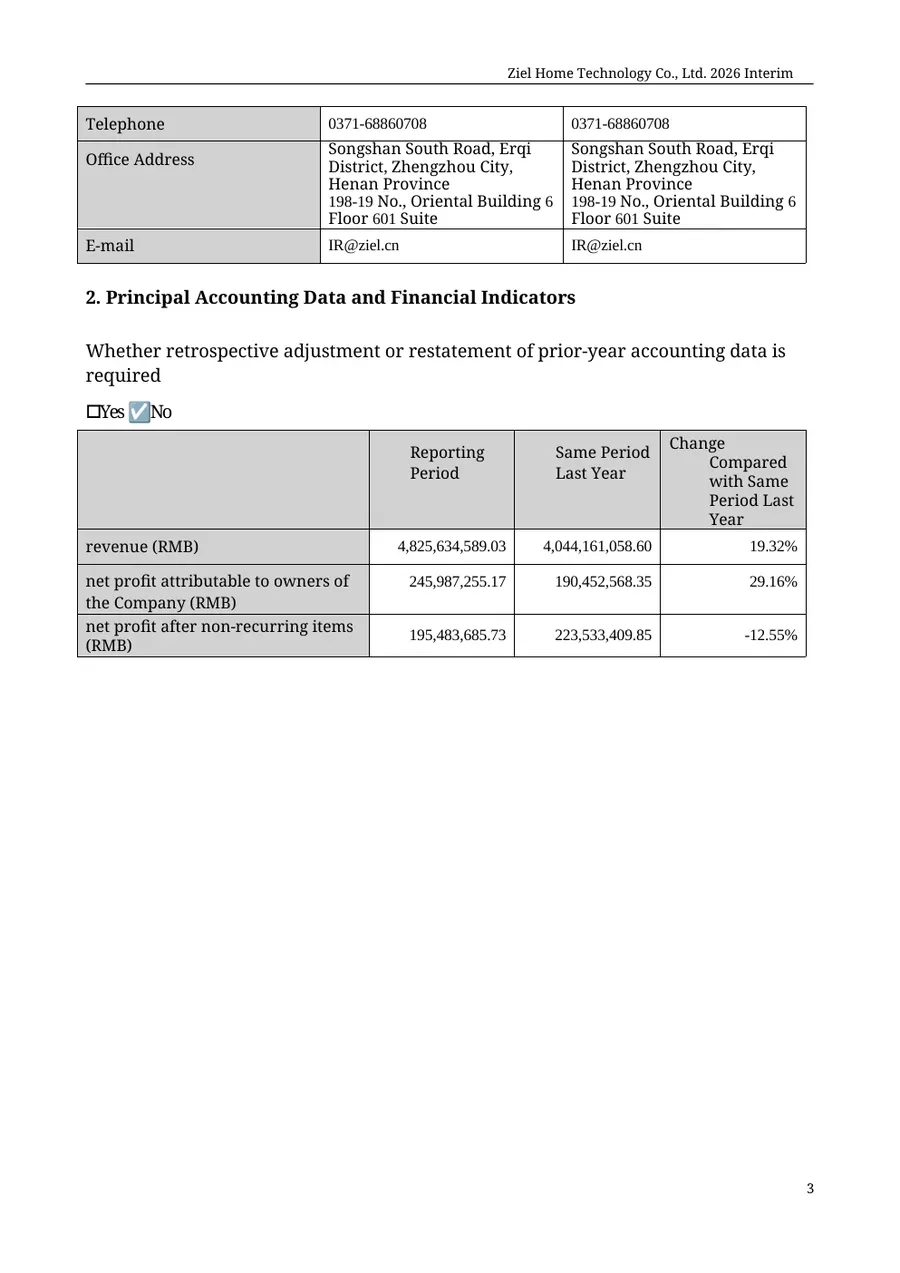
ملخص تقرير نصف سنوي بالصينية مترجم إلى الإنجليزية
الموارد البشرية
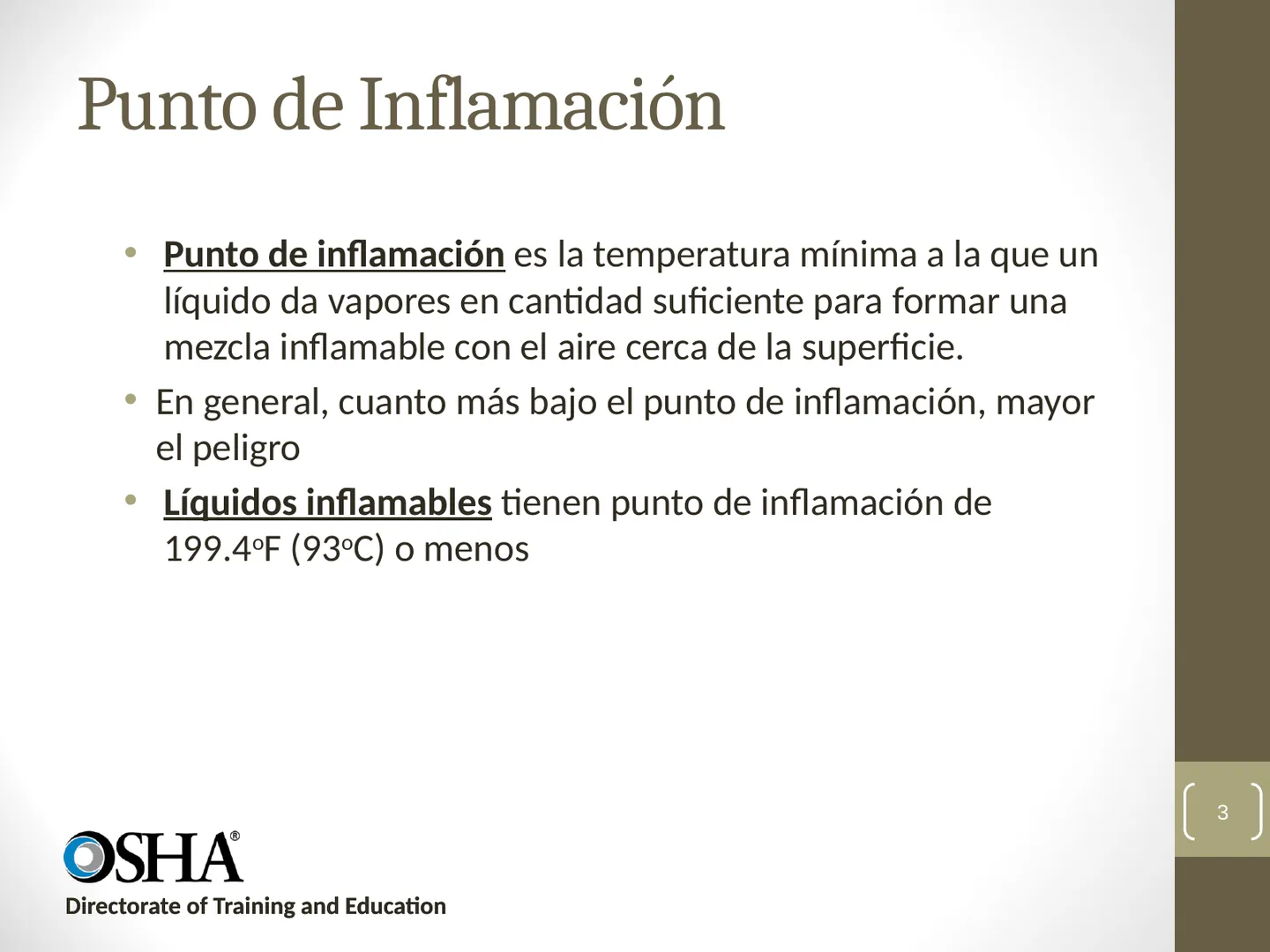
عرض تدريب إدارة السلامة والصحة المهنية (OSHA) مترجم إلى الإسبانية، مع تضمين ملاحظات المتحدث
عرض جميع الأمثلة العملية البالغ عددها 19 →جميع الأمثلة لفئة الرعاية الصحية →