PRAKTIJKVOORBEELD · WORD BIJGEHOUDEN WIJZIGINGEN, DAN POOLS
Een gezondheidsbrief aan ouders vereenvoudigd met wijzigingen bijhouden, daarna in het Pools
Een lokaal gezondheidsteam ontving de voorbeeldbrief van de UK Health Security Agency voor ouders na een schoolgeval van meningokokkenziekte. Ze vroegen om deze te herschrijven voor ouders met een laag leesniveau, als bijgehouden wijzigingen in hetzelfde Word-bestand, zodat hun consultant elke wijziging kon accepteren of afwijzen.
herschreef de hoofdtekst in korte zinnen en behield elk medisch feit, kop, contact en stijl. Nadat de consultant de wijzigingen had geaccepteerd, werden de twee bewerkingen als nieuwe bijgehouden wijzigingen doorgevoerd, gevolgd door een schone Poolse kopie voor een school met veel Poolse gezinnen.
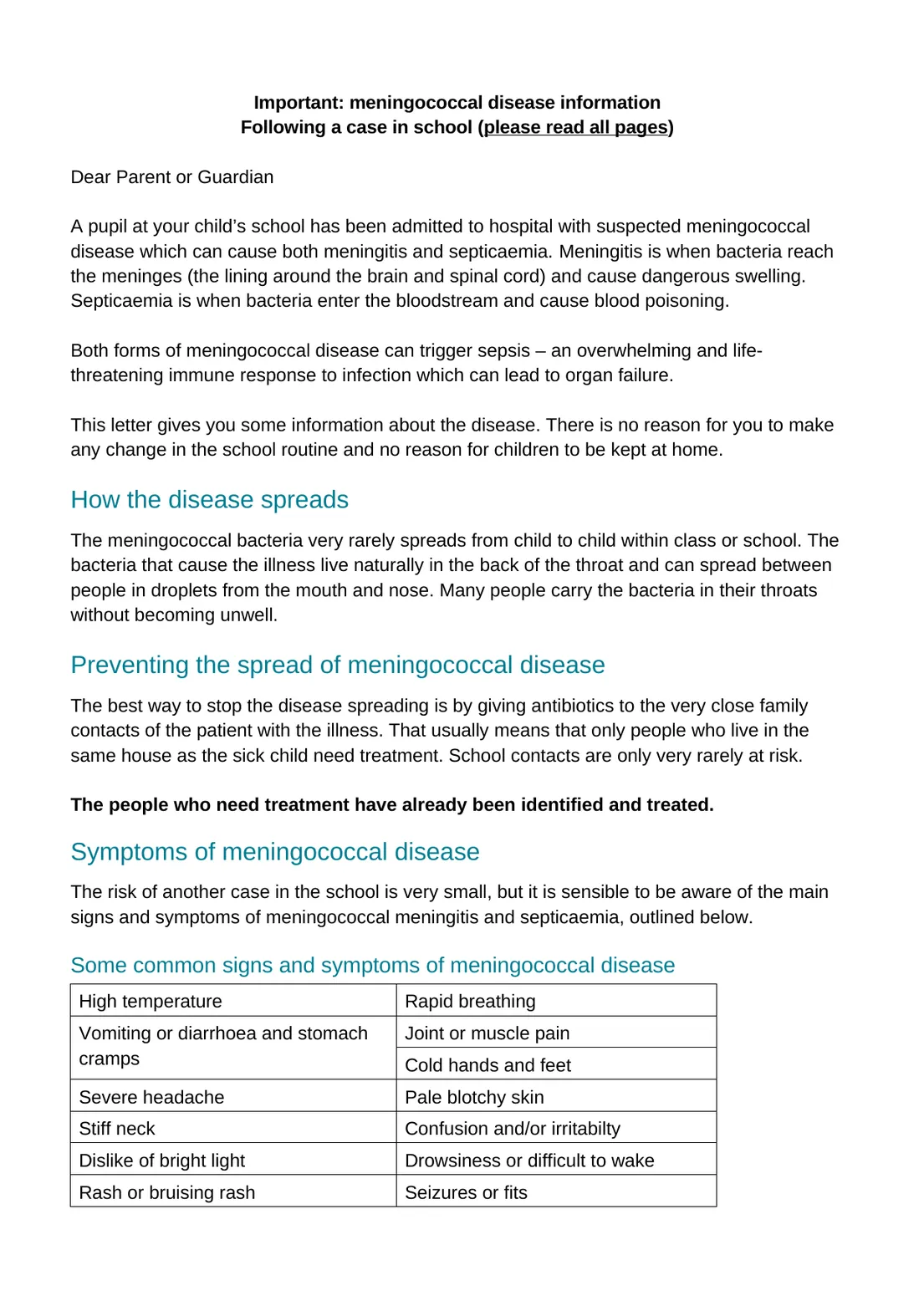
1De UKHSA-briefsjabloon: lange zinnen, medische woorden
Important: meningococcal disease information
A pupil at your child’s school has been admitted to hospital with suspected meningococcal disease which can cause both meningitis and septicaemia. Meningitis is when bacteria reach the meninges (the lining around the brain and spinal cord) and cause dangerous swelling. Septicaemia is when bacteria enter the bloodstream and cause blood poisoning.
- 19.8 → 7.9gemiddeld aantal woorden per zin
- 169bijgehouden toevoegingen en verwijderingen om te accepteren of af te wijzen
- 0koppen, stijlen of tabelcellen gewijzigd buiten de gevraagde typefoutcorrectie
- 2alinea's aangeraakt door verzoek 2, en niets anders
Open de echte bestanden
Dit zijn de werkelijke bestanden van de run. Download ze en open ze in Word: de bijgehouden kopieën openen met elke wijziging gemarkeerd.
Waar het bestand vandaan komt: GOV.UK, UK Health Security Agency, “Communicatie met ouders na een schoolgeval van IMD” (richtlijnen voor meningokokkenziekte). Bevat informatie uit de publieke sector onder de Open Government Licence v3.0. UKHSA heeft dit voorbeeld niet beoordeeld of goedgekeurd.
01 · HET STARTBESTAND
Een sjabloon van drie pagina's met eigen stijlen en een samengevoegde tabel
De brief legt meningitis, septikemie en sepsis uit, wie antibiotica krijgt, wanneer NHS 111 of 999 gebeld moet worden en welke vaccins kinderen op welke leeftijd krijgen. De zinnen zijn ongeveer 20 woorden lang, met woorden als “hersenvliezen” en “overweldigende immuunreactie”.
Het is een echt Word-sjabloon: aangepaste kop- en tekststijlen, twee goede doelencontacten in een opsommingsstijl, gele “contact invoegen”-plaatsaanduidingen en een tabel met 13 symptomen waarvan de linkerkolom twee rijen samenvoegt. Elk van deze moest de herschrijving overleven.
02 · VERZOEK 1
Herschrijf het voor ouders met een laag leesniveau, met bijgehouden wijzigingen
Wat het gezondheidsteam typte
This is the UKHSA template letter to parents after a school case of meningococcal disease (3 pages). Please rewrite the body text so parents with low literacy can follow it - short sentences, everyday words, reading age about 9-11.

- Keep every medical fact: what meningitis, septicaemia and sepsis are, who gets antibiotics, when to call NHS 111 or 999, and all the vaccine ages
- Keep the four section headings and the symptoms table as they are - in the table only fix the typo 'irritabilty'
- Keep the two charity contacts and the yellow 'insert contact...' placeholders in the last paragraph unchanged
- Keep the existing paragraph styles

Please do it as tracked changes in this same Word file, so our consultant can accept or reject each edit.
Wat heeft gedaan
- De hoofdtekst alinea's herschreven in korte zinnen en dagelijkse woorden: “hersenvliezen” werd “de voering rond de hersenen en het ruggenmerg”.
- Elk feit uit het verzoek behouden, inclusief alle vaccinatieleeftijden en de inhaalslag voor de 25e verjaardag.
- De vier koppen, de twee goede doelencontacten en de gele plaatsaanduidingen gelaten zoals ze waren; in de tabel is alleen “irritabilty” gecorrigeerd.
- Elke alinea-stijl en de samengevoegde tabelcel behouden.
- De brief dubbel overhandigd: de schone nieuwe versie en een kopie van het origineel met elke bewerking als een bijgehouden Word-wijziging.
Important: meningococcal disease information
Following a case in school (please read all pages)
Dear Parent or Guardian
4A pupil at your child’s school has been admitted to hospital with suspectedis in hospital. Doctors think it is meningococcal disease which. This disease can cause both meningitis and septicaemiatwo illnesses. One is meningitis. Meningitis is when bacteriameans germs reach the meninges (the lining around the brain and spinal cord) and cause. The lining swells, and this is very dangerous swelling. The other illness is septicaemia. Septicaemia is when bacteria enter the bloodstream and cause blood poisoning. means germs get into the blood. They poison the blood.
Both forms of meningococcal disease can trigger sepsis – an overwhelming and life-threatening immune response to infection which can lead to organ failure. illnesses can cause sepsis. Sepsis is when the body fights infection too hard. This can harm the body a lot. It can stop organs from working. It can kill.
This letter givestells you some information about the disease. There is no reason for you to make any change in the school routine and no reason for children to be keptPlease do not worry. Your child can still go to school. School will run as normal. No child needs to stay at home.
How the disease spreads
The meningococcal bacteria very rarely spreads from child to child withinThis disease does not often spread in class or school. The bacteria that cause the illness live naturally ingerms live at the back of the throat and can spread between people in droplets. They pass in tiny drops from the mouth and nose. Many people carry the bacteria in their throats without becoming unwellgerms. They do not feel ill.
Preventing the spread of meningococcal disease
The best way toAntibiotics stop the disease from spreading. is by giving antibiotics to theOnly very close family contacts of the patient with the illnessneed them. That usuallyoften means that only people who live in the same house as the sick child need treatment. School contacts are only very rarely at risk. home. Children at school are almost never at risk.
The people who need treatment have already been identified and treatedhealth team has found those people. They have had their treatment.
Symptoms of meningococcal disease
The risk of anotherAnother case in the school is very small, butunlikely. But it is sensible to be aware ofhelps to know the main signs. and symptoms of meningococcal meningitis and septicaemia, outlined below. You can see them in the table below.
Some common signs and symptoms of meningococcal disease
High temperature
Rapid breathing
Vomiting or diarrhoea and stomach cramps
Joint or muscle pain
Cold hands and feet
Severe headache
Pale blotchy skin
Stiff neck
Confusion and/or irritabiltyirritability
Dislike of bright light
Drowsiness or difficult to wake
Rash or bruising rash
Seizures or fits
OneYou may see one or more of these symptoms may develop and they can appearsigns. They can come in any order.
Meningococcal disease can be hard to identify at first because it can be like a bad case of flu. However, anyone affected with meningococcal disease will usually become seriously ill within a few hours. You should keep checking your child if they are unwell and contact your GP (family doctor) or NHS 111 for advice if you have any concerns. At first it can look like flu. So it can be hard to spot. A sick person can get very ill within hours. Keep checking your child if they feel unwell. If you are worried, call your GP or NHS 111.
If you becomeare worried about your child’s condition, particularly if they are getting worse, seek medical help urgently at the closest A&E Department or by dialling 999. , act fast. If your child gets worse, get help urgently. Go to A&E or call 999.
Be watchful and use your instincts. Early treatment can be life savingKeep a close watch. Trust what you feel. Getting help early can save a life.
Protecting against meningococcal disease
It is important to be aware that meningococcal disease is caused by different groups of meningococcal bacteria. In the UK meningococcal disease is almost always caused by one of four meningococcal groups commonly known as MenB, MenC, MenW or MenY. These groups of meningococcal disease can be prevented with vaccines. MenA disease is rare in the UK but this can also be prevented by vaccinationMany types of germs cause this disease. In the UK it is almost always MenB, MenC, MenW or MenY. Vaccines can stop these types. MenA is rare in the UK. A vaccine can stop MenA too.
The following meningococcalUK gives these vaccines are offered as part of theas routine UK schedule:
MenB vaccine (which protects againststops most cases of MenB disease), routinely offered as. Babies get 3 doses given as part of the infant immunisation programme. They get them at 8 weeks, 16 weeks and 12 months of age. Children born in the UK. All children born on or after 1 May 2015 have beenwere offered this vaccine.
Hib-MenC vaccine (which protects againststops MenC disease), routinely offered. Children get it at 12 months. asIt is part of the routine childhood immunisation programmevaccine plan.
MenACWY vaccine (which protects againststops MenA, MenC, MenW and MenY disease) routinely offered. Young people get it at 13 to 15 years of age. old.
AnyoneDid your child miss the teen MenACWY vaccine? If they were born on or after 1 September 1996 who was eligible but missed their teenage MenACWY vaccine can still have the vaccine, they can still have it. They can have it up to their 25th birthday. Anyone who isAre you older and starting university for the first time? You can still have the vaccineit up to theiryour 25th birthday. For a young personIf your child is still at school speak to their, ask the school provider to arrange vaccination otherwise you will need to make an appointment with theirvaccine team. If not, book with your GP practice.
Please ensurecheck your child is up to date with their routine vaccinations with their. Ask your GP practice. Even if theyyour child had MenC vaccine when they were younger, it is important that teenagers get the MenACWY vaccine as it boosts protection against MenC disease and protects against more groups of meningococcal disease. as a baby, they still need MenACWY as a teen. It boosts MenC cover. It also guards against more types.
Be watchfulWatch for signs and symptoms even if your child is up to date with their vaccinations as available vaccines do not protect against all causes of the diseaseafter vaccines. Vaccines do not stop every cause.
All meningococcal vaccines offered to eligible children as part of routine programmes are freely available on the NHS. Vaccines may be available privately for those who are not eligible under these programmes. Meningococcal disease can affect anyone of any age but the national immunisation programmes targetRoutine vaccines are free on the NHS for eligible children. If you are not eligible, you may pay for them privately. This disease can affect any age. But the NHS plan guards those most at risk.
Further information on meningococcal disease is available from:
8• The Meningitis Research Foundation, www.meningitis.org telephone: 0808 800 3344
11• Meningitis Now, www.meningitisnow.org telephone: 0808 80 10 388 helpline email address: [email protected]
16If you need further support or advice, please contact insert contact details or call us insert contact telephone number.
19We hebben het gecontroleerd: de bijgehouden kopie heeft 71 toevoegingen en 98 verwijderingen; de alinea-stijlen komen één op één overeen met het sjabloon; de vijf koppen zijn ongewijzigd; de tabel is nog steeds 7 rijen bij 2 kolommen met samengevoegde cel, en de enige wijziging is “irritability”; de vaccinatieleeftijden, NHS 111, 999, A&E en beide goede doelencontacten zijn allemaal aanwezig; de plaatsaanduidingen behouden hun gele markering.
03 · VERZOEK 2
Accepteer alles en breng dan twee bewerkingen aan als nieuwe bijgehouden wijzigingen
Wat het gezondheidsteam typte
The consultant has reviewed it. Please:
1. Accept all the tracked changes from your rewrite.
2. Make sure the word 'septicaemia' is used (not replaced by a simpler word), with a short explanation in brackets the first time it appears, e.g. 'septicaemia (blood poisoning)'.
3. In the last paragraph, replace 'insert contact details' with 'the Thames Valley Health Protection Team' and 'insert contact telephone number' with '0344 225 3861', and remove the yellow highlight.

Make changes 2 and 3 as new tracked changes.
Wat heeft gedaan
- Gewerkt vanuit de schone versie, wat de brief is met elke wijziging uit verzoek 1 geaccepteerd.
- Het woord “septikemie” behouden en “(bloedvergiftiging)” toegevoegd bij de eerste keer dat het verschijnt.
- De naam en het telefoonnummer van het team geplaatst in plaats van de twee plaatsaanduidingen en de gele markering verwijderd.
- Een nieuwe kopie met bijgehouden wijzigingen overhandigd die alleen deze wijzigingen laat zien.
A pupil at your child’s school is in hospital. Doctors think it is meningococcal disease. This disease can cause two illnesses. One is meningitis. Meningitis means germs reach the lining around the brain and spinal cord. The lining swells, and this is very dangerous. The other illness is septicaemia (blood poisoning). Septicaemia means germs get into the blood. They poison the blood.
Protecting against meningococcal disease
If you need further support or advice, please contact insert contact detailsthe Thames Valley Health Protection Team or call us insert contact telephone number0344 225 3861.
We hebben het gecontroleerd: de nieuwe kopie met bijgehouden wijzigingen bevat precies 3 toevoegingen en 2 verwijderingen, allemaal in die twee alinea's; er is geen markering achtergebleven in de laatste alinea; stijlen en de tabel zijn ongewijzigd.
04 · VERZOEK 3
Een schone Poolse kopie van de definitieve brief
Wat het gezondheidsteam typte
Now make a Polish translation of the final letter as a separate Word file. Translate the accepted text only - the Polish copy should have no tracked changes. Keep the same headings, styles and the 2-column symptoms table, and leave all phone numbers, web addresses, the email address and the vaccine names (MenB, Hib-MenC, MenACWY) exactly as they are.
Wat heeft gedaan
- Een afzonderlijk Word-bestand gemaakt van de definitieve brief en deze vertaald, zonder bijgehouden wijzigingen erin.
- De stijlen van het sjabloon, de koppen en de symptomentabel met 2 kolommen inclusief de samengevoegde cel behouden.
- 999, NHS 111, elk telefoonnummer, beide webadressen, het e-mailadres en MenB, Hib-MenC en MenACWY precies zo gelaten als geschreven.
Ważne: informacje o chorobie meningokokowej
Po przypadku zachorowania w szkole (prosimy przeczytać wszystkie strony)
Szanowni Rodzice i Opiekunowie
Uczeń ze szkoły Państwa dziecka przebywa w szpitalu. Lekarze podejrzewają chorobę meningokokową. Choroba ta może wywołać dwie choroby. Jedną z nich jest zapalenie opon mózgowych. Zapalenie opon mózgowych oznacza, że zarazki docierają do błon otaczających mózg i rdzeń kręgowy. Błony te puchną, a to jest bardzo niebezpieczne. Drugą chorobą jest posocznica (zakażenie krwi). Posocznica (zakażenie krwi) oznacza, że zarazki dostają się do krwi. Zatruwają krew.
Obie choroby mogą prowadzić do sepsy. Sepsa występuje wtedy, gdy organizm zbyt mocno walczy z zakażeniem. Może to bardzo uszkodzić organizm. Może spowodować, że narządy przestaną działać. Może prowadzić do śmierci.
Ten list zawiera informacje o tej chorobie. Prosimy się nie martwić. Państwa dziecko może nadal chodzić do szkoły. Szkoła będzie działać normalnie. Żadne dziecko nie musi zostawać w domu.
Jak rozprzestrzenia się choroba
Choroba ta rzadko rozprzestrzenia się w klasie lub w szkole. Zarazki żyją w tylnej części gardła. Przenoszą się w drobnych kropelkach z ust i nosa. Wiele osób nosi te zarazki. Nie czują się chore.
Zapobieganie rozprzestrzenianiu się choroby meningokokowej
Antybiotyki powstrzymują rozprzestrzenianie się choroby. Potrzebują ich tylko bardzo bliskie kontakty rodzinne. Zwykle oznacza to tylko osoby mieszkające w tym samym domu. Dzieci w szkole prawie nigdy nie są zagrożone.
Zespół ds. zdrowia odnalazł te osoby. Otrzymały one leczenie.
Objawy choroby meningokokowej
Kolejny przypadek zachorowania w szkole jest bardzo mało prawdopodobny. Warto jednak znać główne objawy. Można je zobaczyć w poniższej tabeli.
Niektóre częste oznaki i objawy choroby meningokokowej
Wysoka gorączka
Szybkie oddychanie
Wymioty lub biegunka i bóle brzucha
Ból stawów lub mięśni
Zimne dłonie i stopy
Silny ból głowy
Blada, plamista skóra
Sztywność karku
Dezorientacja i/lub drażliwość
Unikanie jasnego światła
Senność lub trudności z obudzeniem
Wysypka lub wysypka z siniakami
Drgawki lub napady drgawek
Może wystąpić jeden lub więcej z tych objawów. Mogą pojawić się w dowolnej kolejności.
Na początku może to wyglądać jak grypa. Dlatego trudno to rozpoznać. Chora osoba może bardzo ciężko zachorować w ciągu kilku godzin. Obserwuj dziecko, jeśli źle się czuje. Jeśli się martwisz, zadzwoń do lekarza rodzinnego (GP) lub pod numer NHS 111.
Jeśli się martwisz, działaj szybko. Jeśli stan dziecka się pogarsza, poszukaj pomocy natychmiast. Zgłoś się na SOR (A&E) lub zadzwoń pod numer 999.
Uważnie obserwuj dziecko. Ufaj temu, co czujesz. Wczesna pomoc może uratować życie.
Ochrona przed chorobą meningokokową
Tę chorobę wywołuje wiele rodzajów zarazków. W Wielkiej Brytanii prawie zawsze są to MenB, MenC, MenW lub MenY. Szczepionki mogą chronić przed tymi typami. MenA występuje w Wielkiej Brytanii rzadko. Szczepionka chroni również przed MenA.
W Wielkiej Brytanii rutynowo podaje się następujące szczepionki:
Szczepionka MenB chroni przed większością zachorowań wywołanych przez MenB. Niemowlęta otrzymują 3 dawki. Podaje się je w 8. tygodniu, 16. tygodniu i 12. miesiącu życia. Tę szczepionkę zaproponowano wszystkim dzieciom urodzonym 1 May 2015 lub później.
Szczepionka Hib-MenC chroni przed chorobą wywołaną przez MenC. Dzieci otrzymują ją w 12. miesiącu życia. Jest ona częścią rutynowego kalendarza szczepień.
Szczepionka MenACWY chroni przed chorobami wywołanymi przez MenA, MenC, MenW i MenY. Młodzież otrzymuje ją w wieku od 13 do 15 lat.
Czy Twoje dziecko pominęło szczepienie MenACWY dla nastolatków? Jeśli urodziło się 1 September 1996 lub później, nadal może je otrzymać. Może je otrzymać do swoich 25. urodzin. Czy jesteś osobą starszą i po raz pierwszy zaczynasz studia? Nadal możesz je otrzymać do swoich 25. urodzin. Jeśli Twoje dziecko nadal chodzi do szkoły, zapytaj szkolny zespół ds. szczepień. Jeśli nie, umów się w przychodni lekarza rodzinnego.
Sprawdź, czy Twoje dziecko ma aktualne szczepienia. Zapytaj w przychodni lekarza rodzinnego. Nawet jeśli Twoje dziecko otrzymało szczepionkę MenC jako niemowlę, jako nastolatek nadal potrzebuje szczepionki MenACWY. Wzmacnia ona ochronę przed MenC. Chroni też przed większą liczbą typów.
Obserwuj objawy nawet po szczepieniach. Szczepionki nie chronią przed każdą przyczyną choroby.
Rutynowe szczepionki są bezpłatne w ramach NHS dla uprawnionych dzieci. Jeśli nie są Państwo uprawnieni, mogą Państwo zapłacić za nie prywatnie. Choroba ta może dotknąć osoby w każdym wieku. Program szczepień NHS chroni jednak osoby najbardziej zagrożone.
Dodatkowe informacje na temat choroby meningokokowej są dostępne w:
• The Meningitis Research Foundation, www.meningitis.org telefon: 0808 800 3344
• Meningitis Now, www.meningitisnow.org telefon: 0808 80 10 388 adres e-mail infolinii: [email protected]
Jeśli potrzebują Państwo dodatkowego wsparcia lub porady, prosimy o kontakt z Zespołem Ochrony Zdrowia Thames Valley lub o telefon pod numer 0344 225 3861.
We hebben het gecontroleerd: geen bijgehouden wijzigingen in het bestand; dezelfde alinea-stijlen en dezelfde 7 × 2 tabel; de vaccinatieleeftijden luiden “8. tygodniu”, “16. tygodniu”, “12. miesiącu”, “od 13 do 15 lat” en “25. urodzin”; de contactregel noemt het Thames Valley-team en 0344 225 3861.
Goed om te weten: de eerste keer dat dit verzoek werd uitgevoerd, was de Poolse kopie gemaakt van de brief vóór verzoek 2. We hebben de markering van de nieuwste versie door gecorrigeerd, en de kopie die hier wordt getoond is de heruitvoering van hetzelfde verzoek in hetzelfde gesprek.
Wijzigingen die uw beoordelaar een voor een kan accepteren
De meeste AI-tools leveren herschreven tekst terug om te plakken. bewerkt uw Word-bestand ter plekke, behoudt stijlen en tabellen, geeft u de bewerkingen als echte bijgehouden wijzigingen en vertaalt de versie die u heeft goedgekeurd.
LEES VERDER
Lees nog een praktijkvoorbeeld
Bankiers en consultants
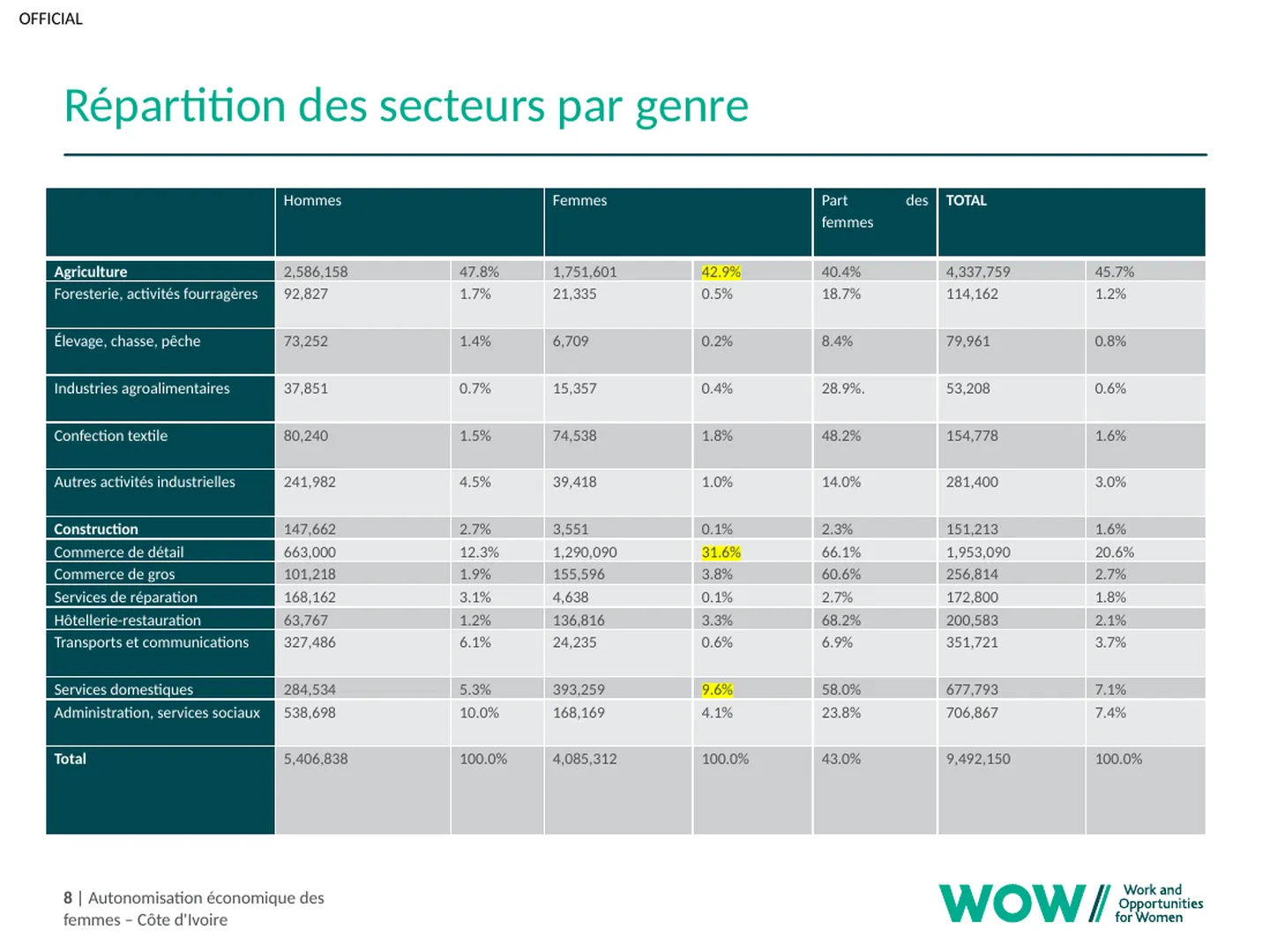
Een ontwikkelingspresentatie van 23 dia’s in het Frans, daarna drie correcties
Bankiers en consultants
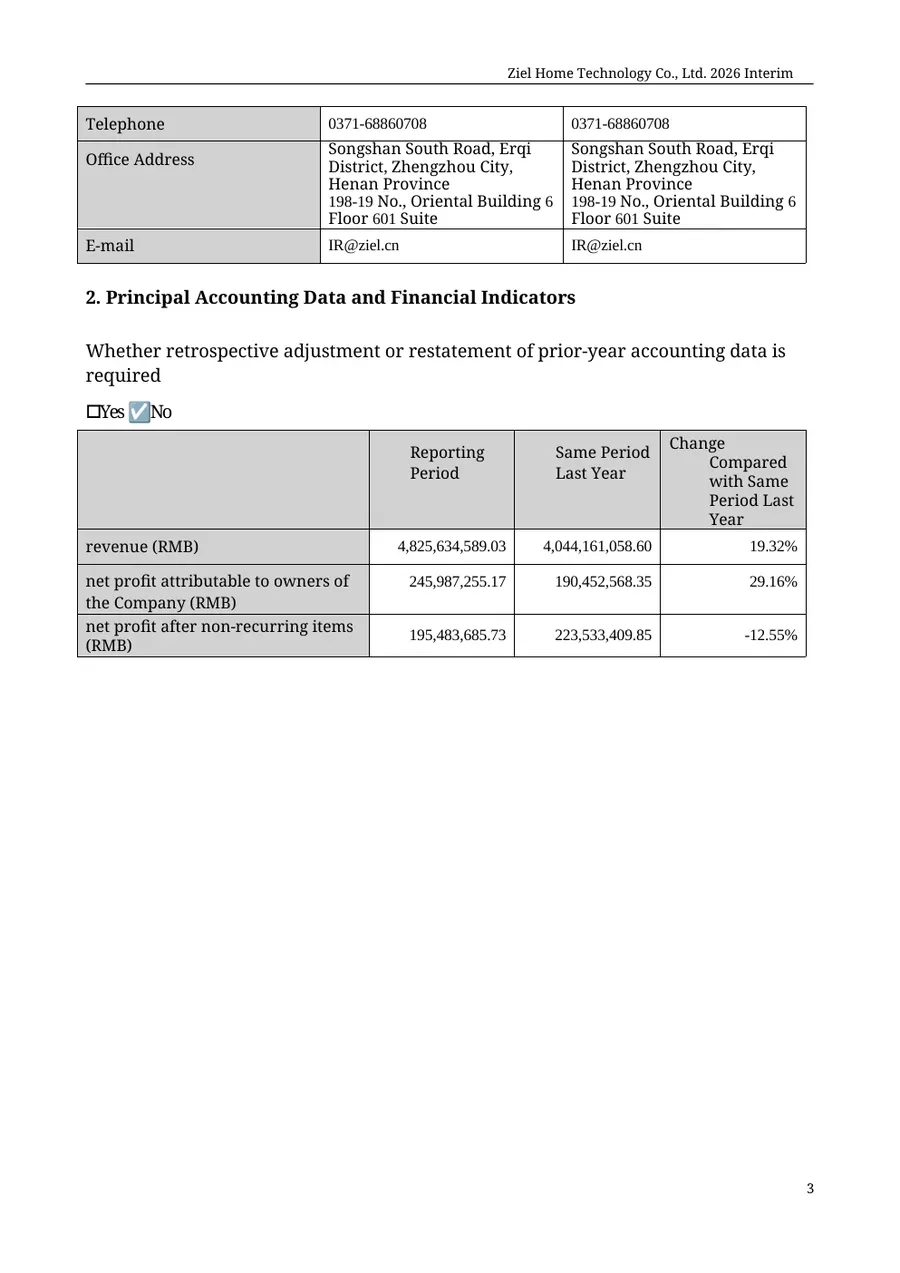
Een Chinese samenvatting van een halfjaarverslag vertaald naar het Engels
Personeelszaken
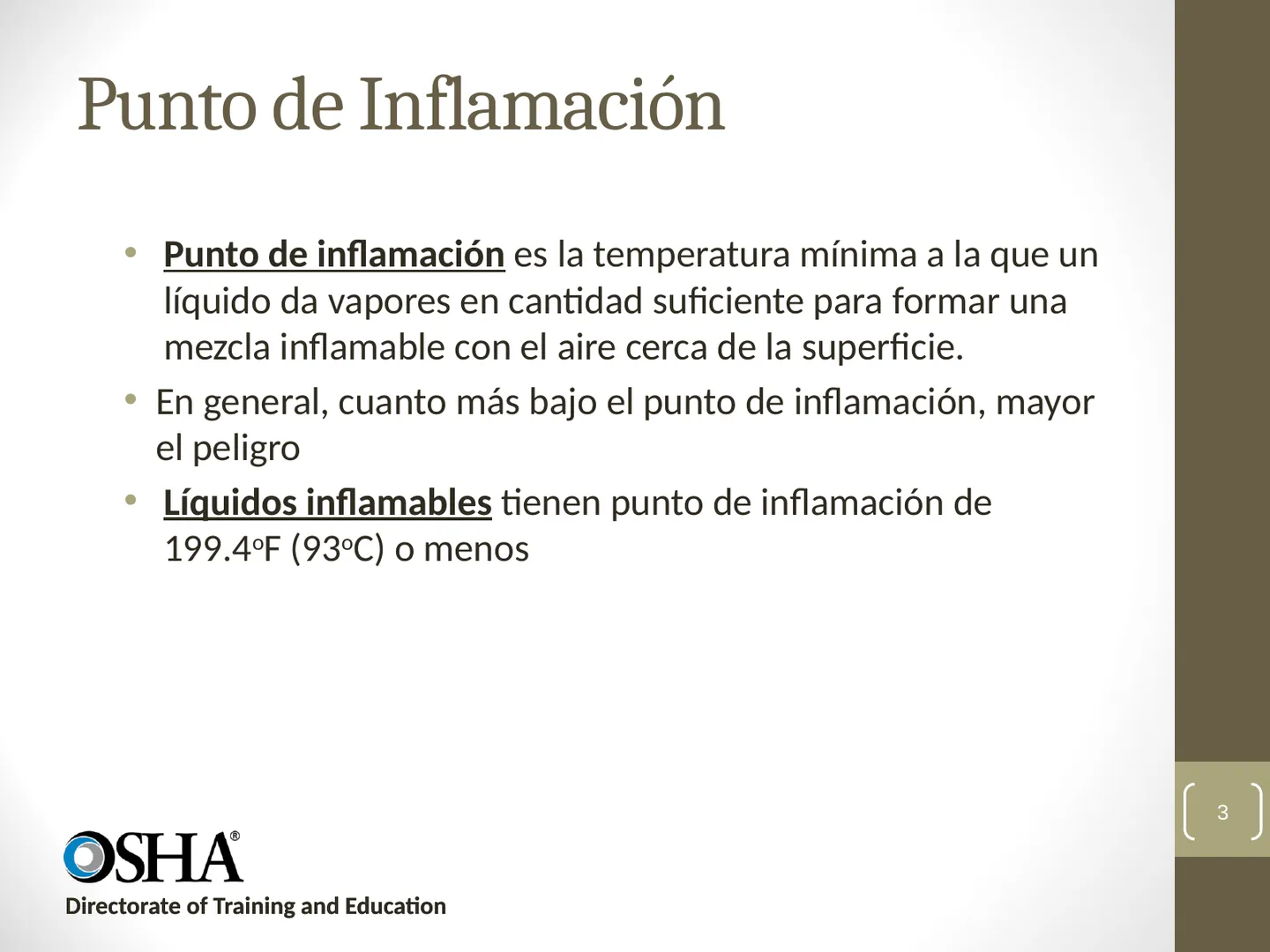
OSHA-trainingspresentatie vertaald naar het Spaans, inclusief notities voor de spreker
Bekijk alle 19 praktijkvoorbeelden →Alle voorbeelden voor Gezondheidszorg →