ПРИМЕР С РАЗБОРОМ · ИЗ PDF В WORD, ЗАТЕМ НА ИСПАНСКИЙ

68-страничная инструкция к препарату, превращенная в 2-страничную брошюру для пациента, а затем — на испанском языке

Больничная аптека получила с сайта DailyMed 68-страничную американскую инструкцию к лекарству от COVID-19 и попросила превратить её в памятку для пациента на 2 страницы, которую можно взять домой, на простом английском языке, используя только данные инструкции, с одной таблицей из всех 40 лекарств, которые пациентам нельзя принимать.

прочитал страницы инструкции для пациентов и написал памятку в виде файла Word, который печатается на двух страницах формата Letter. Затем в этот же файл были внесены три правки фармацевта, и сделал испанскую копию с теми же разделами, той же таблицей и неизменными дозировками.

  • 68страниц инструкции для работы
  • 40лекарств в таблице, ни одно не удалено и не добавлено
  • 2Страницы формата Letter, измерено по печатной верстке
  • 0строк запроса 1, измененных правками фармацевта

Открыть реальные файлы

Это реальные файлы, полученные в ходе выполнения задачи. Скачайте их и откройте в Word.

Источник файла: DailyMed (Национальная медицинская библиотека США), одобренная FDA инструкция к таблеткам нирматрелвира и ритонавира, пересмотрена 02/2026. Держатель регистрационного удостоверения не проверял и не одобрял этот пример, а памятка не является медицинской рекомендацией: пациентам следует выполнять указания своего лечащего врача.

01 · ИСХОДНЫЙ ФАЙЛ

Инструкция, написанная для врачей, с частью для пациентов на страницах с 35 по 41

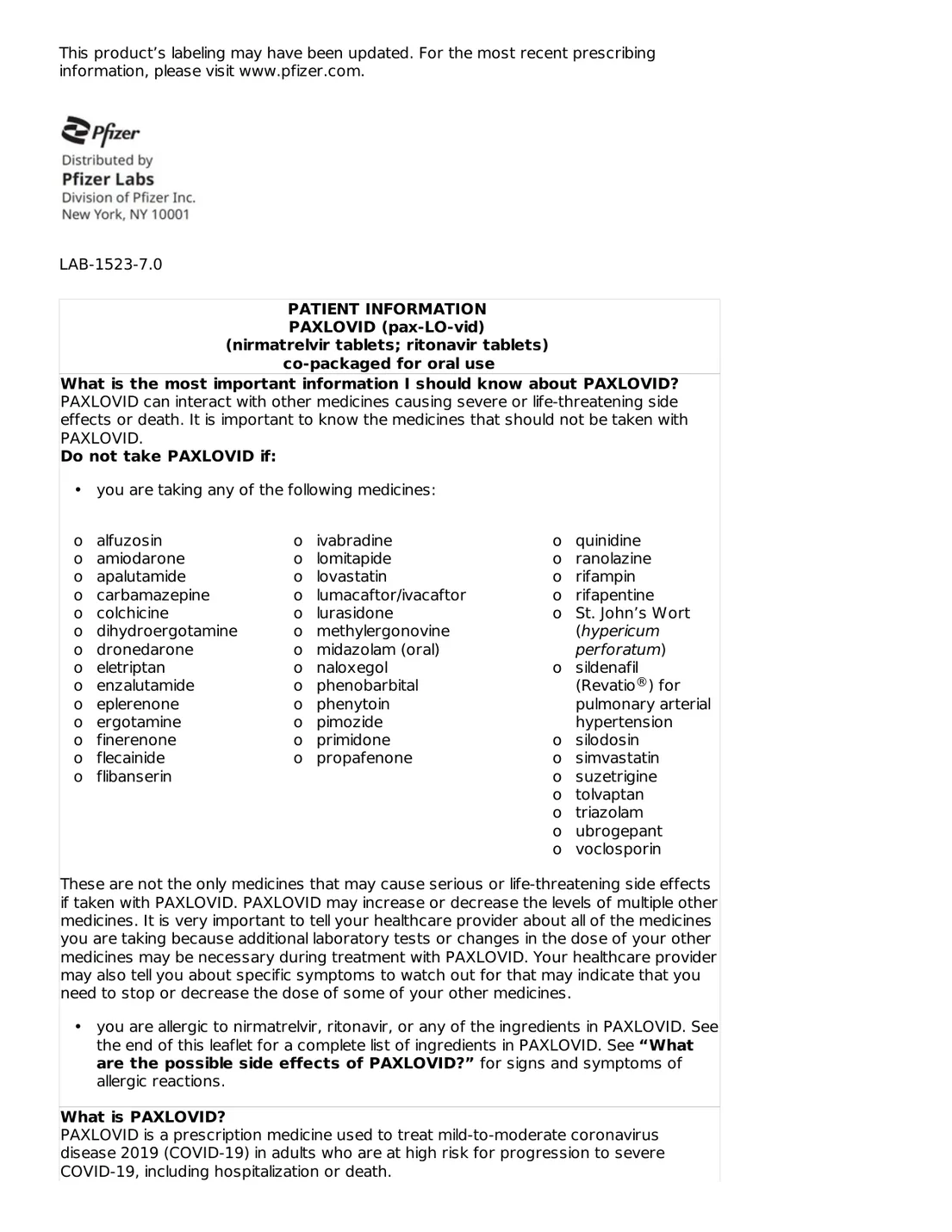
Большая часть из 68 страниц предназначена для врачей: таблицы дозирования, лекарственные взаимодействия, клинические исследования. Часть, написанная для пациентов, начинается на странице 35, и на ней же находится список из 40 лекарств, которые нельзя принимать вместе с данным препаратом, представленный в трех колонках.

Пациенты с заболеваниями почек получают другую упаковку: меньшая доза дважды в день или, при тяжелом заболевании почек, упаковка на один раз в день с другим 1-м днем. Сделать это правильно — цель данной памятки.

В PDF есть реальный текст, поэтому прочитал его как есть: без OCR, без конвертации. Сам файл PDF не менялся.

Изображение исходного документаСтраница 35 инструкции: начало информации для пациента и список лекарств, которые нельзя принимать
Страница 35: начало информации для пациента со списком из 40 лекарств, которые нельзя принимать.Открыть оригинал

02 · ЗАПРОС 1

Написать 2-страничную памятку для пациента на основе инструкции

Что набрала аптека

Attached is the current PAXLOVID US label from DailyMed (68 pages; the Patient Information leaflet is on pages 35-41). Please write a 2-page take-home leaflet for our COVID-19 patients as a Word document.

Use only what the label says, in plain English (short sentences, about 6th-8th grade reading level). Sections, in this order:
1. What PAXLOVID is - including that it is not approved to prevent COVID-19
2. Before you start - kidney or liver problems, HIV-1, pregnancy, breastfeeding, hormonal birth control
3. How to take it - the standard Dose Pack, the two Dose Packs for kidney disease, and what to do if you miss a dose
4. Medicines you must not take with PAXLOVID - all 40 medicines from the 'Do not take PAXLOVID if' list on page 35, in a 3-column table
5. Side effects - the serious ones and the most common ones
6. When to get help right away

Letter size, 2 pages maximum.

Что сделало

  • Прочитали страницы с информацией для пациента и распределили факты, необходимые для каждого раздела, с указанием страницы, откуда они взяты.
  • Написали шесть разделов в запрошенном порядке, короткими предложениями, как новый файл Word на бумаге формата Letter.
  • Предоставлены все три упаковки с таблетками: 2 розовые и 1 белая дважды в день; 1 розовая и 1 белая дважды в день при умеренном заболевании почек; и при тяжелом заболевании почек — 2 розовые и 1 белая в 1-й день, затем 1 розовая и 1 белая один раз в день, после диализа в дни диализа.
  • Разместили 40 лекарств в таблице из 3 колонок, сохранив формулировки инструкции «midazolam (oral)» и «for pulmonary arterial hypertension».
  • Проверили печатный макет перед сдачей: две страницы.
PAXLOVID Take-Home Leaflet.docxновый файл
PAXLOVID Take-Home Leaflet
1. What PAXLOVID is
PAXLOVID is a prescription medicine. It is used to treat mild-to-moderate coronavirus disease 2019 (COVID-19) in adults. It is for adults who are at high risk for progression to severe COVID-19. This includes hospitalization or death.
PAXLOVID is not approved to prevent COVID-19. Do not use it as pre-exposure treatment to prevent COVID-19 before exposure. Do not use it as post-exposure treatment to prevent COVID-19 after exposure.
Do not take PAXLOVID if you are allergic to nirmatrelvir, ritonavir, or any of the ingredients in PAXLOVID.
2. Before you start
Tell your care team before you start PAXLOVID if any of these apply to you:
Kidney problems. You may need a different dose or dosing schedule of PAXLOVID.
Liver problems, including hepatitis.
Human Immunodeficiency Virus 1 (HIV-1) infection. PAXLOVID may lead to some HIV-1 medicines not working as well in the future.
Are pregnant or plan to become pregnant. It is not known if PAXLOVID can harm your unborn baby. Tell your healthcare provider right away if you are or if you become pregnant.
Are breastfeeding or plan to breastfeed. PAXLOVID can pass into your breast milk. Talk to your healthcare provider about the best way to feed your baby during treatment with PAXLOVID.
Take combined birth control (hormonal contraceptive). Tell your healthcare provider. PAXLOVID may affect how your hormonal contraceptives work. Females who are able to become pregnant should use another effective alternative form of contraception or an additional barrier method of contraception during treatment with PAXLOVID.
3. How to take it
PAXLOVID consists of 2 medicines: nirmatrelvir tablets and ritonavir tablets. The 2 medicines are taken together for 5 days.
Take PAXLOVID with or without food. Swallow the tablets whole. Do not chew, break, or crush the tablets.
Standard Dose Pack — 300 mg; 100 mg: Each dose contains 3 tablets taken together twice daily, in the morning and at bedtime. Take the 2 pink nirmatrelvir tablets and 1 white to off-white ritonavir tablet together.
Kidney Dose Pack — 150 mg; 100 mg: Each dose contains 2 tablets taken together twice daily, in the morning and at bedtime. Take the 1 pink nirmatrelvir tablet and 1 white ritonavir tablet together.
Severe kidney once-daily pack — 300 mg; 100 mg (Day 1) and 150 mg; 100 mg (Days 2-5): Each dose is taken together once daily. Day 1 (First Day): Take the 2 pink nirmatrelvir tablets and 1 white ritonavir tablet together (Blue part of the blister card). Days 2-5: Take the 1 pink nirmatrelvir tablet and 1 white ritonavir tablet together (Pink part of the blister card). On days of dialysis, take PAXLOVID after receiving dialysis.
If you miss a dose within 8 hours, take it as soon as you remember. If you miss a dose by more than 8 hours, skip it and take the next dose at your regular time. Do not take 2 doses of PAXLOVID at the same time.
4. Medicines you must not take with PAXLOVID
Warning: PAXLOVID can interact with other medicines causing severe or life-threatening side effects or death. Do not take any medicine in this table with PAXLOVID.
Страница 2
Medicine A–MMedicine N–RMedicine S–V
alfuzosinivabradineranolazine
amiodaronelomitapiderifampin
apalutamidelovastatinrifapentine
carbamazepinelumacaftor/ivacaftorSt. John’s Wort (hypericum perforatum)
colchicinelurasidonesildenafil (Revatio ® ) for pulmonary arterial hypertension
dihydroergotaminemethylergonovinesilodosin
dronedaronemidazolam (oral)simvastatin
eletriptannaloxegolsuzetrigine
enzalutamidephenobarbitaltolvaptan
eplerenonephenytointriazolam
ergotaminepimozideubrogepant
finerenoneprimidonevoclosporin
flecainidepropafenone
flibanserinquinidine
5. Side effects
PAXLOVID can cause side effects. Some are serious. Others are more common and less serious.
5.1 Serious allergic reactions
Allergic reactions have happened during treatment with PAXLOVID. These include severe allergic reactions (anaphylaxis). Signs of an allergic reaction are:
skin rash
hives
blisters or peeling skin
painful sores or ulcers in the mouth, nose, throat or genital area
swelling of the mouth, lips, tongue or face
trouble swallowing or breathing
throat tightness
hoarseness
5.2 Liver problems
Liver problems can happen during treatment with PAXLOVID. Signs of liver problems are:
loss of appetite
yellowing of your skin and the white of eyes
dark-colored urine
pale colored stools
itchy skin
stomach-area (abdominal) pain
5.3 Common side effects
The most common side effects of PAXLOVID include altered sense of taste and diarrhea. The altered taste may be metallic taste. It may be bitter taste.
Other possible side effects include headache, vomiting, stomach (abdominal) pain, nausea, high blood pressure, and feeling generally unwell.
6. When to get help right away
Stop taking PAXLOVID and get emergency help right away if you get any signs of an allergy. You can find these signs in Side effects. Do not keep taking PAXLOVID after allergy signs start.
Call your healthcare provider right away if you get any signs of liver problems during treatment with PAXLOVID. You can find these signs in Side effects.
If you take too much PAXLOVID, call your healthcare provider or go to the nearest hospital emergency room right away.
Talk to your healthcare provider if you do not feel better after 5 days. Talk to your healthcare provider also if you feel worse after 5 days.
Памятка в том виде, в каком она была выдана. Пунктирная линия показывает, где Word переходит на страницу 2.

Мы сверили это с инструкцией: каждая дозировка и упаковка соответствуют сводке инструкции на странице 1 и изображениям упаковок на страницах 38 и 39; правило пропущенной дозы — 8 часов, как в инструкции; таблица содержит ровно 40 лекарств со страницы 35, ни одного не пропущено и не добавлено; при верстке по правилам Word и в LibreOffice документ печатается на двух страницах Letter.

03 · ЗАПРОС 2

Три правки фармацевта, затем испанская копия

Что набрала аптека

Pharmacist review of the English leaflet - please edit that same file:
1. Add a shaded box at the very top that reads exactly: 'Tell every doctor and pharmacist you are taking PAXLOVID.'
2. In 'How to take it', add that the tablets must be swallowed whole (do not chew, break or crush them) and can be taken with or without food.
3. Directly under the medicines table, add: 'This is not a complete list. Ask your pharmacist before you start any new medicine.'
Leave everything else as it is.

Then make a Spanish copy of the updated leaflet as a separate Word file: same sections, same table, still 2 pages. Use 'usted' throughout, keep the brand name PAXLOVID and the drug names unchanged, and keep every dose and number exactly as in the English.

Что сделало

  • Открыли созданную памятку и отредактировали тот же файл.
  • Добавлено предложение в самом верху в виде затененного блока, слово в слово.
  • Раздел «Как принимать» не меняли: в памятке уже было сказано проглатывать таблетки целиком и что их можно принимать с едой или без.
  • Добавлена строка «это не полный список» непосредственно под таблицей, вне ее.
  • Испанская копия сделана как отдельный файл Word из отредактированной памятки: везде «usted», названия препаратов и все цифры как в английском тексте.
PAXLOVID Take-Home Leaflet.docxпосле
добавлено в запросе 2Tell every doctor and pharmacist you are taking PAXLOVID.
PAXLOVID Take-Home Leaflet
1. What PAXLOVID is
PAXLOVID is a prescription medicine. It is used to treat mild-to-moderate coronavirus disease 2019 (COVID-19) in adults. It is for adults who are at high risk for progression to severe COVID-19. This includes hospitalization or death.
PAXLOVID is not approved to prevent COVID-19. Do not use it as pre-exposure treatment to prevent COVID-19 before exposure. Do not use it as post-exposure treatment to prevent COVID-19 after exposure.
Do not take PAXLOVID if you are allergic to nirmatrelvir, ritonavir, or any of the ingredients in PAXLOVID.
2. Before you start
Tell your care team before you start PAXLOVID if any of these apply to you:
Kidney problems. You may need a different dose or dosing schedule of PAXLOVID.
Liver problems, including hepatitis.
Human Immunodeficiency Virus 1 (HIV-1) infection. PAXLOVID may lead to some HIV-1 medicines not working as well in the future.
Are pregnant or plan to become pregnant. It is not known if PAXLOVID can harm your unborn baby. Tell your healthcare provider right away if you are or if you become pregnant.
Are breastfeeding or plan to breastfeed. PAXLOVID can pass into your breast milk. Talk to your healthcare provider about the best way to feed your baby during treatment with PAXLOVID.
Take combined birth control (hormonal contraceptive). Tell your healthcare provider. PAXLOVID may affect how your hormonal contraceptives work. Females who are able to become pregnant should use another effective alternative form of contraception or an additional barrier method of contraception during treatment with PAXLOVID.
3. How to take it
PAXLOVID consists of 2 medicines: nirmatrelvir tablets and ritonavir tablets. The 2 medicines are taken together for 5 days.
Take PAXLOVID with or without food. Swallow the tablets whole. Do not chew, break, or crush the tablets.
Standard Dose Pack — 300 mg; 100 mg: Each dose contains 3 tablets taken together twice daily, in the morning and at bedtime. Take the 2 pink nirmatrelvir tablets and 1 white to off-white ritonavir tablet together.
Kidney Dose Pack — 150 mg; 100 mg: Each dose contains 2 tablets taken together twice daily, in the morning and at bedtime. Take the 1 pink nirmatrelvir tablet and 1 white ritonavir tablet together.
Severe kidney once-daily pack — 300 mg; 100 mg (Day 1) and 150 mg; 100 mg (Days 2-5): Each dose is taken together once daily. Day 1 (First Day): Take the 2 pink nirmatrelvir tablets and 1 white ritonavir tablet together (Blue part of the blister card). Days 2-5: Take the 1 pink nirmatrelvir tablet and 1 white ritonavir tablet together (Pink part of the blister card). On days of dialysis, take PAXLOVID after receiving dialysis.
If you miss a dose within 8 hours, take it as soon as you remember. If you miss a dose by more than 8 hours, skip it and take the next dose at your regular time. Do not take 2 doses of PAXLOVID at the same time.
4. Medicines you must not take with PAXLOVID
Warning: PAXLOVID can interact with other medicines causing severe or life-threatening side effects or death. Do not take any medicine in this table with PAXLOVID.
Страница 2
Medicine A–MMedicine N–RMedicine S–V
alfuzosinivabradineranolazine
amiodaronelomitapiderifampin
apalutamidelovastatinrifapentine
carbamazepinelumacaftor/ivacaftorSt. John’s Wort (hypericum perforatum)
colchicinelurasidonesildenafil (Revatio ® ) for pulmonary arterial hypertension
dihydroergotaminemethylergonovinesilodosin
dronedaronemidazolam (oral)simvastatin
eletriptannaloxegolsuzetrigine
enzalutamidephenobarbitaltolvaptan
eplerenonephenytointriazolam
ergotaminepimozideubrogepant
finerenoneprimidonevoclosporin
flecainidepropafenone
flibanserinquinidine
добавлено в запросе 2This is not a complete list. Ask your pharmacist before you start any new medicine.
5. Side effects
PAXLOVID can cause side effects. Some are serious. Others are more common and less serious.
5.1 Serious allergic reactions
Allergic reactions have happened during treatment with PAXLOVID. These include severe allergic reactions (anaphylaxis). Signs of an allergic reaction are:
skin rash
hives
blisters or peeling skin
painful sores or ulcers in the mouth, nose, throat or genital area
swelling of the mouth, lips, tongue or face
trouble swallowing or breathing
throat tightness
hoarseness
5.2 Liver problems
Liver problems can happen during treatment with PAXLOVID. Signs of liver problems are:
loss of appetite
yellowing of your skin and the white of eyes
dark-colored urine
pale colored stools
itchy skin
stomach-area (abdominal) pain
5.3 Common side effects
The most common side effects of PAXLOVID include altered sense of taste and diarrhea. The altered taste may be metallic taste. It may be bitter taste.
Other possible side effects include headache, vomiting, stomach (abdominal) pain, nausea, high blood pressure, and feeling generally unwell.
6. When to get help right away
Stop taking PAXLOVID and get emergency help right away if you get any signs of an allergy. You can find these signs in Side effects. Do not keep taking PAXLOVID after allergy signs start.
Call your healthcare provider right away if you get any signs of liver problems during treatment with PAXLOVID. You can find these signs in Side effects.
If you take too much PAXLOVID, call your healthcare provider or go to the nearest hospital emergency room right away.
Talk to your healthcare provider if you do not feel better after 5 days. Talk to your healthcare provider also if you feel worse after 5 days.
Та же памятка после запроса 2. Два дополнения отмечены зеленым цветом; остальное не менялось.
PAXLOVID Folleto para llevar a casa.docxновый файл
Informe a cada médico y farmacéutico que usted está tomando PAXLOVID.
Folleto de PAXLOVID para llevar a casa
1. Qué es PAXLOVID
PAXLOVID es un medicamento recetado. Se usa para tratar la enfermedad por coronavirus 2019 (COVID-19) de leve a moderada en adultos. Es para adultos que tienen un riesgo alto de progresión a COVID-19 grave. Esto incluye hospitalización o muerte.
PAXLOVID no está aprobado para prevenir la COVID-19. No lo use como tratamiento previo a la exposición para prevenir la COVID-19 antes de la exposición. No lo use como tratamiento posterior a la exposición para prevenir la COVID-19 después de la exposición.
No tome PAXLOVID si usted es alérgico a nirmatrelvir, ritonavir o a cualquiera de los ingredientes de PAXLOVID.
2. Antes de que usted empiece
Informe a su equipo de atención médica antes de empezar a tomar PAXLOVID si alguna de estas situaciones aplica a usted:
Problemas de riñón. Es posible que usted necesite una dosis o un horario de dosis diferente de PAXLOVID.
Problemas de hígado, incluida la hepatitis.
Infección por el virus de la inmunodeficiencia humana 1 (HIV-1). PAXLOVID puede hacer que algunos medicamentos contra el HIV-1 no funcionen tan bien en el futuro.
Si usted está embarazada o planea quedar embarazada. No se sabe si PAXLOVID puede dañar a su bebé por nacer. Informe a su proveedor de atención médica de inmediato si usted está embarazada o si queda embarazada.
Si usted está amamantando o planea amamantar. PAXLOVID puede pasar a su leche materna. Hable con su proveedor de atención médica sobre la mejor forma de alimentar a su bebé durante el tratamiento con PAXLOVID.
Si usted toma anticonceptivos combinados (anticonceptivo hormonal). Informe a su proveedor de atención médica. PAXLOVID puede afectar cómo funcionan sus anticonceptivos hormonales. Las mujeres que pueden quedar embarazadas deben usar otra forma anticonceptiva alternativa eficaz o un método anticonceptivo de barrera adicional durante el tratamiento con PAXLOVID.
3. Cómo lo debe tomar usted
PAXLOVID consta de 2 medicamentos: tabletas de nirmatrelvir y tabletas de ritonavir. Los 2 medicamentos se toman juntos durante 5 días.
Tome PAXLOVID con o sin alimentos. Trague las tabletas enteras. No las mastique, parta ni triture.
Paquete de dosis estándar — 300 mg; 100 mg: Cada dosis contiene 3 tabletas que se toman juntas dos veces al día, por la mañana y antes de acostarse. Tome las 2 tabletas rosas de nirmatrelvir y 1 tableta de ritonavir de blanca a blanquecina juntas.
Paquete de dosis para el riñón — 150 mg; 100 mg: Cada dosis contiene 2 tabletas que se toman juntas dos veces al día, por la mañana y antes de acostarse. Tome 1 tableta rosa de nirmatrelvir y 1 tableta blanca de ritonavir juntas.
Paquete de una vez al día para riñón grave — 300 mg; 100 mg (Día 1) y 150 mg; 100 mg (Días 2-5): Cada dosis se toma junta una vez al día. Día 1 (Primer día): Tome las 2 tabletas rosas de nirmatrelvir y 1 tableta blanca de ritonavir juntas (parte azul del blíster). Días 2-5: Tome 1 tableta rosa de nirmatrelvir y 1 tableta blanca de ritonavir juntas (parte rosa del blíster). En los días de diálisis, tome PAXLOVID después de recibir la diálisis.
Si olvida una dosis y han pasado menos de 8 horas, tómela tan pronto como lo recuerde. Si han pasado más de 8 horas, omita esa dosis y tome la siguiente dosis a su hora habitual. No tome 2 dosis de PAXLOVID al mismo tiempo.
4. Medicamentos que usted no debe tomar con PAXLOVID
Advertencia: PAXLOVID puede interactuar con otros medicamentos y causar efectos secundarios graves o potencialmente mortales, o la muerte. No tome ningún medicamento de esta tabla con PAXLOVID.
Страница 2
Medicamentos A–MMedicamentos N–RMedicamentos S–V
alfuzosinivabradineranolazine
amiodaronelomitapiderifampin
apalutamidelovastatinrifapentine
carbamazepinelumacaftor/ivacaftorSt. John’s Wort (hypericum perforatum)
colchicinelurasidonesildenafil (Revatio ® ) para la hipertensión arterial pulmonar
dihydroergotaminemethylergonovinesilodosin
dronedaronemidazolam (oral)simvastatin
eletriptannaloxegolsuzetrigine
enzalutamidephenobarbitaltolvaptan
eplerenonephenytointriazolam
ergotaminepimozideubrogepant
finerenoneprimidonevoclosporin
flecainidepropafenone
flibanserinquinidine
Esta no es una lista completa. Pregunte a su farmacéutico antes de empezar a tomar cualquier medicamento nuevo.
5. Efectos secundarios
PAXLOVID puede causar efectos secundarios. Algunos son graves. Otros son más comunes y menos graves.
5.1 Reacciones alérgicas graves
Se han producido reacciones alérgicas durante el tratamiento con PAXLOVID. Estas incluyen reacciones alérgicas graves (anafilaxia). Los signos de una reacción alérgica son:
erupción en la piel
ronchas
ampollas o descamación de la piel
llagas o úlceras dolorosas en la boca, la nariz, la garganta o la zona genital
hinchazón de la boca, los labios, la lengua o la cara
dificultad para tragar o respirar
opresión en la garganta
ronquera
5.2 Problemas del hígado
Pueden presentarse problemas del hígado durante el tratamiento con PAXLOVID. Los signos de problemas del hígado son:
pérdida del apetito
color amarillento en su piel y en la parte blanca de sus ojos
orina de color oscuro
heces de color pálido
picazón en la piel
dolor en el área del estómago (abdominal)
5.3 Efectos secundarios comunes
Los efectos secundarios más comunes de PAXLOVID incluyen alteración del sentido del gusto y diarrea. La alteración del gusto puede ser un sabor metálico. Puede ser un sabor amargo.
Otros posibles efectos secundarios incluyen dolor de cabeza, vómitos, dolor de estómago (abdominal), náuseas, presión arterial alta y sensación general de malestar.
6. Cuándo debe usted buscar ayuda de inmediato
Deje de tomar PAXLOVID y busque ayuda de emergencia de inmediato si usted presenta algún signo de alergia. Usted puede encontrar estos signos en Efectos secundarios. No siga tomando PAXLOVID después de que comiencen los signos de alergia.
Страница 3 · превышен лимит в 2 страниц
Llame a su proveedor de atención médica de inmediato si usted presenta algún signo de problemas del hígado durante el tratamiento con PAXLOVID. Usted puede encontrar estos signos en Efectos secundarios.
Si usted toma demasiado PAXLOVID, llame a su proveedor de atención médica o vaya a la sala de emergencias del hospital más cercano de inmediato.
Hable con su proveedor de atención médica si usted no se siente mejor después de 5 días. Hable con su proveedor de atención médica también si usted se siente peor después de 5 días.
Испанская копия, отдельный файл. Пунктирные линии показывают, где Word делает разрыв страницы.

Мы проверили это: единственные отличия от запроса 1 — это блок и строка под таблицей; английский текст по-прежнему печатается на двух страницах; испанская копия содержит те же 40 лекарств, те же дозировки (150 мг, 100 мг, 5 días, 8 horas) и никаких форм на «tú».

Стоит знать: Испанский текст длиннее английского. При вёрстке по правилам Word шесть строк испанской копии переходят на третью страницу (в LibreOffice она умещается на двух). В ответе об этом было сказано прямо, вместо утверждения про две страницы; сокращение одного предложения или полей в Word возвращает текст на две страницы.

От длинной инструкции к памятке, которую могут прочитать пациенты

Большинство ИИ-инструментов пишут краткое содержание в чате. пишет памятку как настоящий файл Word, проверяет, на скольких страницах она печатается, вносит правки фармацевта в тот же файл и выдает переведенную копию с сохранением всех дозировок.

ЧИТАЙТЕ ДАЛЬШЕ

Прочитайте ещё один практический пример
Посмотреть все практические примеры (19) Все примеры для группы «Здравоохранение»