ตัวอย่างการทำงาน · จาก PDF เป็น WORD แล้วเป็นภาษาสเปน

ฉลากยา 68 หน้าเปลี่ยนเป็นแผ่นพับผู้ป่วย 2 หน้า แล้วแปลเป็นภาษาสเปน

ร้านขายยาของโรงพยาบาลได้รับฉลากยา COVID-19 ของสหรัฐฯ ความยาว 68 หน้าจาก DailyMed พวกเขาขอให้ แปลงเป็นแผ่นพับสำหรับนำกลับบ้านความยาว 2 หน้าด้วยภาษาอังกฤษที่เรียบง่าย โดยใช้เฉพาะสิ่งที่ฉลากระบุไว้ พร้อมตารางรายการยา 40 ชนิดที่ผู้ป่วยห้ามใช้

อ่านหน้าข้อมูลผู้ป่วยและเขียนแผ่นพับเป็นไฟล์ Word ที่พิมพ์ได้สองหน้า Letter จากนั้นการแก้ไขสามจุดของเภสัชกรถูกนำไปรวมในไฟล์เดียวกัน และ ทำฉบับภาษาสเปนที่มีส่วนประกอบ ตาราง และขนาดยาเหมือนเดิมทุกประการ

  • 68หน้าฉลากที่ใช้ทำงาน
  • 40ยาในตาราง ไม่มีตกหล่นและไม่มีเพิ่มเกิน
  • 2หน้ากระดาษขนาด Letter วัดตามเค้าโครงที่พิมพ์จริง
  • 0บรรทัดของคำขอที่ 1 ที่ถูกแก้ไขโดยเภสัชกร

เปิดไฟล์ต้นฉบับจริง

นี่คือไฟล์จริงจากการทำงานจริง ดาวน์โหลดและเปิดดูได้ใน Word

ที่มาของไฟล์: DailyMed (หอสมุดแพทยศาสตร์แห่งชาติสหรัฐฯ), ฉลากของยา nirmatrelvir และ ritonavir ที่ได้รับการอนุมัติจาก FDA, ฉบับปรับปรุง 02/2026 ผู้จัดทำฉลากไม่ได้ตรวจสอบหรือรับรองตัวอย่างนี้ และแผ่นพับนี้ไม่ใช่คำแนะนำทางการแพทย์: ผู้ป่วยควรปฏิบัติตามคำแนะนำของผู้สั่งจ่ายยาของตน

01 · ไฟล์เริ่มต้น

ฉลากที่เขียนสำหรับผู้สั่งจ่ายยา โดยมีส่วนของผู้ป่วยอยู่ในหน้า 35 ถึง 41

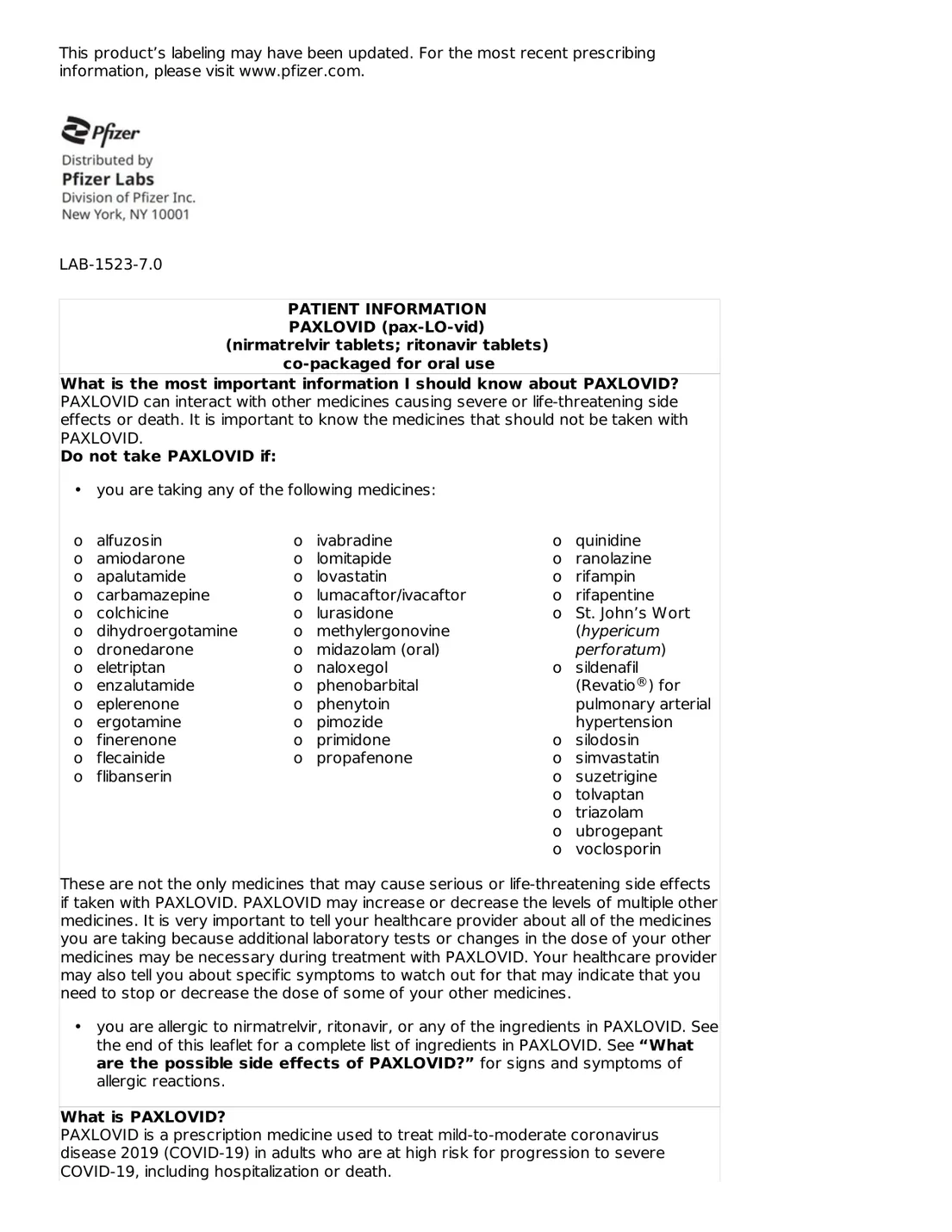
เนื้อหาหลักของ 68 หน้ามีไว้สำหรับแพทย์: ตารางการใช้ยา ปฏิกิริยาระหว่างยา การศึกษาทางคลินิก ส่วนที่เขียนสำหรับผู้ป่วยเริ่มที่หน้า 35 และหน้า 35 ยังมีรายการยา 40 ชนิดที่ห้ามใช้ร่วมกับยานี้ โดยจัดอยู่ในตารางสามคอลัมน์

ผู้ป่วยที่เป็นโรคไตจะได้รับชุดยาที่แตกต่างออกไป: ปริมาณยาต่ำลงวันละสองครั้ง หรือสำหรับโรคไตขั้นรุนแรง จะได้รับชุดยาวันละครั้งที่มีวันที่ 1 แตกต่างออกไป การทำให้ถูกต้องคือจุดประสงค์ของแผ่นพับนี้

ไฟล์ PDF มีข้อความจริง ดังนั้น จึงอ่านตามที่เป็น: ไม่มีการทำ OCR ไม่มีการแปลงรูปแบบ ไฟล์ PDF เองไม่ได้ถูกเปลี่ยนแปลง

ภาพจากเอกสารต้นฉบับหน้า 35 ของฉลาก: จุดเริ่มต้นของข้อมูลผู้ป่วยและรายการยาที่ห้ามใช้
หน้า 35: ข้อมูลผู้ป่วยเริ่มต้นขึ้น พร้อมรายการยา 40 ชนิดที่ห้ามใช้เปิดต้นฉบับ

02 · คำขอที่ 1

“เขียนแผ่นพับสำหรับนำกลับบ้านขนาด 2 หน้าจากฉลาก”

สิ่งที่ร้านขายยาพิมพ์

Attached is the current PAXLOVID US label from DailyMed (68 pages; the Patient Information leaflet is on pages 35-41). Please write a 2-page take-home leaflet for our COVID-19 patients as a Word document.

Use only what the label says, in plain English (short sentences, about 6th-8th grade reading level). Sections, in this order:
1. What PAXLOVID is - including that it is not approved to prevent COVID-19
2. Before you start - kidney or liver problems, HIV-1, pregnancy, breastfeeding, hormonal birth control
3. How to take it - the standard Dose Pack, the two Dose Packs for kidney disease, and what to do if you miss a dose
4. Medicines you must not take with PAXLOVID - all 40 medicines from the 'Do not take PAXLOVID if' list on page 35, in a 3-column table
5. Side effects - the serious ones and the most common ones
6. When to get help right away

Letter size, 2 pages maximum.

สิ่งที่ ทำ

  • อ่านหน้าข้อมูลผู้ป่วยและเรียบเรียงข้อเท็จจริงที่แต่ละส่วนต้องการ พร้อมระบุหน้าที่มา
  • เขียนทั้งหกส่วนตามลำดับที่ขอ ด้วยประโยคสั้นๆ เป็นไฟล์ Word ใหม่บนกระดาษ Letter
  • ระบุชุดยาครบทั้งสามชุดพร้อมยาเม็ด: สีชมพู 2 เม็ดและสีขาว 1 เม็ดวันละสองครั้ง; สีชมพู 1 เม็ดและสีขาว 1 เม็ดวันละสองครั้งสำหรับโรคไตในระดับปานกลาง; และสำหรับโรคไตขั้นรุนแรง สีชมพู 2 เม็ดและสีขาว 1 เม็ดในวันที่ 1 จากนั้นสีชมพู 1 เม็ดและสีขาว 1 เม็ดวันละครั้ง หลังฟอกไตในวันที่ฟอกไต
  • ใส่ยา 40 ชนิดในตาราง 3 คอลัมน์ โดยคงคำว่า "midazolam (oral)" และ "for pulmonary arterial hypertension" ตามที่ฉลากระบุไว้
  • ตรวจสอบเค้าโครงที่พิมพ์ก่อนส่งมอบ: สองหน้า
PAXLOVID Take-Home Leaflet.docxไฟล์ใหม่
PAXLOVID Take-Home Leaflet
1. What PAXLOVID is
PAXLOVID is a prescription medicine. It is used to treat mild-to-moderate coronavirus disease 2019 (COVID-19) in adults. It is for adults who are at high risk for progression to severe COVID-19. This includes hospitalization or death.
PAXLOVID is not approved to prevent COVID-19. Do not use it as pre-exposure treatment to prevent COVID-19 before exposure. Do not use it as post-exposure treatment to prevent COVID-19 after exposure.
Do not take PAXLOVID if you are allergic to nirmatrelvir, ritonavir, or any of the ingredients in PAXLOVID.
2. Before you start
Tell your care team before you start PAXLOVID if any of these apply to you:
Kidney problems. You may need a different dose or dosing schedule of PAXLOVID.
Liver problems, including hepatitis.
Human Immunodeficiency Virus 1 (HIV-1) infection. PAXLOVID may lead to some HIV-1 medicines not working as well in the future.
Are pregnant or plan to become pregnant. It is not known if PAXLOVID can harm your unborn baby. Tell your healthcare provider right away if you are or if you become pregnant.
Are breastfeeding or plan to breastfeed. PAXLOVID can pass into your breast milk. Talk to your healthcare provider about the best way to feed your baby during treatment with PAXLOVID.
Take combined birth control (hormonal contraceptive). Tell your healthcare provider. PAXLOVID may affect how your hormonal contraceptives work. Females who are able to become pregnant should use another effective alternative form of contraception or an additional barrier method of contraception during treatment with PAXLOVID.
3. How to take it
PAXLOVID consists of 2 medicines: nirmatrelvir tablets and ritonavir tablets. The 2 medicines are taken together for 5 days.
Take PAXLOVID with or without food. Swallow the tablets whole. Do not chew, break, or crush the tablets.
Standard Dose Pack — 300 mg; 100 mg: Each dose contains 3 tablets taken together twice daily, in the morning and at bedtime. Take the 2 pink nirmatrelvir tablets and 1 white to off-white ritonavir tablet together.
Kidney Dose Pack — 150 mg; 100 mg: Each dose contains 2 tablets taken together twice daily, in the morning and at bedtime. Take the 1 pink nirmatrelvir tablet and 1 white ritonavir tablet together.
Severe kidney once-daily pack — 300 mg; 100 mg (Day 1) and 150 mg; 100 mg (Days 2-5): Each dose is taken together once daily. Day 1 (First Day): Take the 2 pink nirmatrelvir tablets and 1 white ritonavir tablet together (Blue part of the blister card). Days 2-5: Take the 1 pink nirmatrelvir tablet and 1 white ritonavir tablet together (Pink part of the blister card). On days of dialysis, take PAXLOVID after receiving dialysis.
If you miss a dose within 8 hours, take it as soon as you remember. If you miss a dose by more than 8 hours, skip it and take the next dose at your regular time. Do not take 2 doses of PAXLOVID at the same time.
4. Medicines you must not take with PAXLOVID
Warning: PAXLOVID can interact with other medicines causing severe or life-threatening side effects or death. Do not take any medicine in this table with PAXLOVID.
หน้า 2
Medicine A–MMedicine N–RMedicine S–V
alfuzosinivabradineranolazine
amiodaronelomitapiderifampin
apalutamidelovastatinrifapentine
carbamazepinelumacaftor/ivacaftorSt. John’s Wort (hypericum perforatum)
colchicinelurasidonesildenafil (Revatio ® ) for pulmonary arterial hypertension
dihydroergotaminemethylergonovinesilodosin
dronedaronemidazolam (oral)simvastatin
eletriptannaloxegolsuzetrigine
enzalutamidephenobarbitaltolvaptan
eplerenonephenytointriazolam
ergotaminepimozideubrogepant
finerenoneprimidonevoclosporin
flecainidepropafenone
flibanserinquinidine
5. Side effects
PAXLOVID can cause side effects. Some are serious. Others are more common and less serious.
5.1 Serious allergic reactions
Allergic reactions have happened during treatment with PAXLOVID. These include severe allergic reactions (anaphylaxis). Signs of an allergic reaction are:
skin rash
hives
blisters or peeling skin
painful sores or ulcers in the mouth, nose, throat or genital area
swelling of the mouth, lips, tongue or face
trouble swallowing or breathing
throat tightness
hoarseness
5.2 Liver problems
Liver problems can happen during treatment with PAXLOVID. Signs of liver problems are:
loss of appetite
yellowing of your skin and the white of eyes
dark-colored urine
pale colored stools
itchy skin
stomach-area (abdominal) pain
5.3 Common side effects
The most common side effects of PAXLOVID include altered sense of taste and diarrhea. The altered taste may be metallic taste. It may be bitter taste.
Other possible side effects include headache, vomiting, stomach (abdominal) pain, nausea, high blood pressure, and feeling generally unwell.
6. When to get help right away
Stop taking PAXLOVID and get emergency help right away if you get any signs of an allergy. You can find these signs in Side effects. Do not keep taking PAXLOVID after allergy signs start.
Call your healthcare provider right away if you get any signs of liver problems during treatment with PAXLOVID. You can find these signs in Side effects.
If you take too much PAXLOVID, call your healthcare provider or go to the nearest hospital emergency room right away.
Talk to your healthcare provider if you do not feel better after 5 days. Talk to your healthcare provider also if you feel worse after 5 days.
แผ่นพับที่ส่งมอบ เส้นประคือตำแหน่งที่ Word ตัดไปหน้า 2

เราตรวจสอบเทียบกับฉลากแล้ว: ขนาดยาและชุดยาทุกชุดตรงกับสรุปของฉลากในหน้า 1 และภาพชุดยาในหน้า 38 และ 39; กฎการลืมกินยาคือ 8 ชั่วโมงตามฉลาก; ตารางบรรจุยา 40 ชนิดของหน้า 35 ไว้ครบถ้วน ไม่ตกหล่น ไม่เพิ่ม; เมื่อจัดเค้าโครงตามกฎของ Word และ LibreOffice จะพิมพ์ออกมาได้สองหน้ากระดาษ Letter

03 · คำขอที่ 2

“แก้ไขสามจุดโดยเภสัชกร แล้วทำฉบับภาษาสเปน”

สิ่งที่ร้านขายยาพิมพ์

Pharmacist review of the English leaflet - please edit that same file:
1. Add a shaded box at the very top that reads exactly: 'Tell every doctor and pharmacist you are taking PAXLOVID.'
2. In 'How to take it', add that the tablets must be swallowed whole (do not chew, break or crush them) and can be taken with or without food.
3. Directly under the medicines table, add: 'This is not a complete list. Ask your pharmacist before you start any new medicine.'
Leave everything else as it is.

Then make a Spanish copy of the updated leaflet as a separate Word file: same sections, same table, still 2 pages. Use 'usted' throughout, keep the brand name PAXLOVID and the drug names unchanged, and keep every dose and number exactly as in the English.

สิ่งที่ ทำ

  • เปิดแผ่นพับที่ทำไว้และแก้ไขไฟล์เดียวกันนั้น
  • เพิ่มประโยคไว้ที่ด้านบนสุดเป็นกล่องแรเงา โดยใช้ข้อความคำต่อคำ
  • คงส่วน "วิธีใช้ยา" ไว้ตามเดิม: แผ่นพับระบุไว้แล้วว่าให้กลืนยาเม็ดทั้งเม็ดและสามารถทานพร้อมอาหารหรือไม่ก็ได้
  • เพิ่มบรรทัด "นี่ไม่ใช่รายการที่ครบถ้วน" ไว้ใต้ตารางโดยตรง โดยอยู่นอกตาราง
  • ทำฉบับภาษาสเปนเป็นไฟล์ Word แยกต่างหากจากแผ่นพับที่แก้ไขแล้ว: ใช้สรรพนาม "usted" ตลอดทั้งฉบับ ชื่อยาและตัวเลขทุกตัวเหมือนกับในภาษาอังกฤษ
PAXLOVID Take-Home Leaflet.docxหลังทำ
เพิ่มในการแก้ไขคำขอที่ 2Tell every doctor and pharmacist you are taking PAXLOVID.
PAXLOVID Take-Home Leaflet
1. What PAXLOVID is
PAXLOVID is a prescription medicine. It is used to treat mild-to-moderate coronavirus disease 2019 (COVID-19) in adults. It is for adults who are at high risk for progression to severe COVID-19. This includes hospitalization or death.
PAXLOVID is not approved to prevent COVID-19. Do not use it as pre-exposure treatment to prevent COVID-19 before exposure. Do not use it as post-exposure treatment to prevent COVID-19 after exposure.
Do not take PAXLOVID if you are allergic to nirmatrelvir, ritonavir, or any of the ingredients in PAXLOVID.
2. Before you start
Tell your care team before you start PAXLOVID if any of these apply to you:
Kidney problems. You may need a different dose or dosing schedule of PAXLOVID.
Liver problems, including hepatitis.
Human Immunodeficiency Virus 1 (HIV-1) infection. PAXLOVID may lead to some HIV-1 medicines not working as well in the future.
Are pregnant or plan to become pregnant. It is not known if PAXLOVID can harm your unborn baby. Tell your healthcare provider right away if you are or if you become pregnant.
Are breastfeeding or plan to breastfeed. PAXLOVID can pass into your breast milk. Talk to your healthcare provider about the best way to feed your baby during treatment with PAXLOVID.
Take combined birth control (hormonal contraceptive). Tell your healthcare provider. PAXLOVID may affect how your hormonal contraceptives work. Females who are able to become pregnant should use another effective alternative form of contraception or an additional barrier method of contraception during treatment with PAXLOVID.
3. How to take it
PAXLOVID consists of 2 medicines: nirmatrelvir tablets and ritonavir tablets. The 2 medicines are taken together for 5 days.
Take PAXLOVID with or without food. Swallow the tablets whole. Do not chew, break, or crush the tablets.
Standard Dose Pack — 300 mg; 100 mg: Each dose contains 3 tablets taken together twice daily, in the morning and at bedtime. Take the 2 pink nirmatrelvir tablets and 1 white to off-white ritonavir tablet together.
Kidney Dose Pack — 150 mg; 100 mg: Each dose contains 2 tablets taken together twice daily, in the morning and at bedtime. Take the 1 pink nirmatrelvir tablet and 1 white ritonavir tablet together.
Severe kidney once-daily pack — 300 mg; 100 mg (Day 1) and 150 mg; 100 mg (Days 2-5): Each dose is taken together once daily. Day 1 (First Day): Take the 2 pink nirmatrelvir tablets and 1 white ritonavir tablet together (Blue part of the blister card). Days 2-5: Take the 1 pink nirmatrelvir tablet and 1 white ritonavir tablet together (Pink part of the blister card). On days of dialysis, take PAXLOVID after receiving dialysis.
If you miss a dose within 8 hours, take it as soon as you remember. If you miss a dose by more than 8 hours, skip it and take the next dose at your regular time. Do not take 2 doses of PAXLOVID at the same time.
4. Medicines you must not take with PAXLOVID
Warning: PAXLOVID can interact with other medicines causing severe or life-threatening side effects or death. Do not take any medicine in this table with PAXLOVID.
หน้า 2
Medicine A–MMedicine N–RMedicine S–V
alfuzosinivabradineranolazine
amiodaronelomitapiderifampin
apalutamidelovastatinrifapentine
carbamazepinelumacaftor/ivacaftorSt. John’s Wort (hypericum perforatum)
colchicinelurasidonesildenafil (Revatio ® ) for pulmonary arterial hypertension
dihydroergotaminemethylergonovinesilodosin
dronedaronemidazolam (oral)simvastatin
eletriptannaloxegolsuzetrigine
enzalutamidephenobarbitaltolvaptan
eplerenonephenytointriazolam
ergotaminepimozideubrogepant
finerenoneprimidonevoclosporin
flecainidepropafenone
flibanserinquinidine
เพิ่มในการแก้ไขคำขอที่ 2This is not a complete list. Ask your pharmacist before you start any new medicine.
5. Side effects
PAXLOVID can cause side effects. Some are serious. Others are more common and less serious.
5.1 Serious allergic reactions
Allergic reactions have happened during treatment with PAXLOVID. These include severe allergic reactions (anaphylaxis). Signs of an allergic reaction are:
skin rash
hives
blisters or peeling skin
painful sores or ulcers in the mouth, nose, throat or genital area
swelling of the mouth, lips, tongue or face
trouble swallowing or breathing
throat tightness
hoarseness
5.2 Liver problems
Liver problems can happen during treatment with PAXLOVID. Signs of liver problems are:
loss of appetite
yellowing of your skin and the white of eyes
dark-colored urine
pale colored stools
itchy skin
stomach-area (abdominal) pain
5.3 Common side effects
The most common side effects of PAXLOVID include altered sense of taste and diarrhea. The altered taste may be metallic taste. It may be bitter taste.
Other possible side effects include headache, vomiting, stomach (abdominal) pain, nausea, high blood pressure, and feeling generally unwell.
6. When to get help right away
Stop taking PAXLOVID and get emergency help right away if you get any signs of an allergy. You can find these signs in Side effects. Do not keep taking PAXLOVID after allergy signs start.
Call your healthcare provider right away if you get any signs of liver problems during treatment with PAXLOVID. You can find these signs in Side effects.
If you take too much PAXLOVID, call your healthcare provider or go to the nearest hospital emergency room right away.
Talk to your healthcare provider if you do not feel better after 5 days. Talk to your healthcare provider also if you feel worse after 5 days.
แผ่นพับเดิมหลังคำขอที่ 2 การแก้ไขสองจุดถูกทำเครื่องหมายเป็นสีเขียว ไม่มีสิ่งอื่นเปลี่ยนแปลง
PAXLOVID Folleto para llevar a casa.docxไฟล์ใหม่
Informe a cada médico y farmacéutico que usted está tomando PAXLOVID.
Folleto de PAXLOVID para llevar a casa
1. Qué es PAXLOVID
PAXLOVID es un medicamento recetado. Se usa para tratar la enfermedad por coronavirus 2019 (COVID-19) de leve a moderada en adultos. Es para adultos que tienen un riesgo alto de progresión a COVID-19 grave. Esto incluye hospitalización o muerte.
PAXLOVID no está aprobado para prevenir la COVID-19. No lo use como tratamiento previo a la exposición para prevenir la COVID-19 antes de la exposición. No lo use como tratamiento posterior a la exposición para prevenir la COVID-19 después de la exposición.
No tome PAXLOVID si usted es alérgico a nirmatrelvir, ritonavir o a cualquiera de los ingredientes de PAXLOVID.
2. Antes de que usted empiece
Informe a su equipo de atención médica antes de empezar a tomar PAXLOVID si alguna de estas situaciones aplica a usted:
Problemas de riñón. Es posible que usted necesite una dosis o un horario de dosis diferente de PAXLOVID.
Problemas de hígado, incluida la hepatitis.
Infección por el virus de la inmunodeficiencia humana 1 (HIV-1). PAXLOVID puede hacer que algunos medicamentos contra el HIV-1 no funcionen tan bien en el futuro.
Si usted está embarazada o planea quedar embarazada. No se sabe si PAXLOVID puede dañar a su bebé por nacer. Informe a su proveedor de atención médica de inmediato si usted está embarazada o si queda embarazada.
Si usted está amamantando o planea amamantar. PAXLOVID puede pasar a su leche materna. Hable con su proveedor de atención médica sobre la mejor forma de alimentar a su bebé durante el tratamiento con PAXLOVID.
Si usted toma anticonceptivos combinados (anticonceptivo hormonal). Informe a su proveedor de atención médica. PAXLOVID puede afectar cómo funcionan sus anticonceptivos hormonales. Las mujeres que pueden quedar embarazadas deben usar otra forma anticonceptiva alternativa eficaz o un método anticonceptivo de barrera adicional durante el tratamiento con PAXLOVID.
3. Cómo lo debe tomar usted
PAXLOVID consta de 2 medicamentos: tabletas de nirmatrelvir y tabletas de ritonavir. Los 2 medicamentos se toman juntos durante 5 días.
Tome PAXLOVID con o sin alimentos. Trague las tabletas enteras. No las mastique, parta ni triture.
Paquete de dosis estándar — 300 mg; 100 mg: Cada dosis contiene 3 tabletas que se toman juntas dos veces al día, por la mañana y antes de acostarse. Tome las 2 tabletas rosas de nirmatrelvir y 1 tableta de ritonavir de blanca a blanquecina juntas.
Paquete de dosis para el riñón — 150 mg; 100 mg: Cada dosis contiene 2 tabletas que se toman juntas dos veces al día, por la mañana y antes de acostarse. Tome 1 tableta rosa de nirmatrelvir y 1 tableta blanca de ritonavir juntas.
Paquete de una vez al día para riñón grave — 300 mg; 100 mg (Día 1) y 150 mg; 100 mg (Días 2-5): Cada dosis se toma junta una vez al día. Día 1 (Primer día): Tome las 2 tabletas rosas de nirmatrelvir y 1 tableta blanca de ritonavir juntas (parte azul del blíster). Días 2-5: Tome 1 tableta rosa de nirmatrelvir y 1 tableta blanca de ritonavir juntas (parte rosa del blíster). En los días de diálisis, tome PAXLOVID después de recibir la diálisis.
Si olvida una dosis y han pasado menos de 8 horas, tómela tan pronto como lo recuerde. Si han pasado más de 8 horas, omita esa dosis y tome la siguiente dosis a su hora habitual. No tome 2 dosis de PAXLOVID al mismo tiempo.
4. Medicamentos que usted no debe tomar con PAXLOVID
Advertencia: PAXLOVID puede interactuar con otros medicamentos y causar efectos secundarios graves o potencialmente mortales, o la muerte. No tome ningún medicamento de esta tabla con PAXLOVID.
หน้า 2
Medicamentos A–MMedicamentos N–RMedicamentos S–V
alfuzosinivabradineranolazine
amiodaronelomitapiderifampin
apalutamidelovastatinrifapentine
carbamazepinelumacaftor/ivacaftorSt. John’s Wort (hypericum perforatum)
colchicinelurasidonesildenafil (Revatio ® ) para la hipertensión arterial pulmonar
dihydroergotaminemethylergonovinesilodosin
dronedaronemidazolam (oral)simvastatin
eletriptannaloxegolsuzetrigine
enzalutamidephenobarbitaltolvaptan
eplerenonephenytointriazolam
ergotaminepimozideubrogepant
finerenoneprimidonevoclosporin
flecainidepropafenone
flibanserinquinidine
Esta no es una lista completa. Pregunte a su farmacéutico antes de empezar a tomar cualquier medicamento nuevo.
5. Efectos secundarios
PAXLOVID puede causar efectos secundarios. Algunos son graves. Otros son más comunes y menos graves.
5.1 Reacciones alérgicas graves
Se han producido reacciones alérgicas durante el tratamiento con PAXLOVID. Estas incluyen reacciones alérgicas graves (anafilaxia). Los signos de una reacción alérgica son:
erupción en la piel
ronchas
ampollas o descamación de la piel
llagas o úlceras dolorosas en la boca, la nariz, la garganta o la zona genital
hinchazón de la boca, los labios, la lengua o la cara
dificultad para tragar o respirar
opresión en la garganta
ronquera
5.2 Problemas del hígado
Pueden presentarse problemas del hígado durante el tratamiento con PAXLOVID. Los signos de problemas del hígado son:
pérdida del apetito
color amarillento en su piel y en la parte blanca de sus ojos
orina de color oscuro
heces de color pálido
picazón en la piel
dolor en el área del estómago (abdominal)
5.3 Efectos secundarios comunes
Los efectos secundarios más comunes de PAXLOVID incluyen alteración del sentido del gusto y diarrea. La alteración del gusto puede ser un sabor metálico. Puede ser un sabor amargo.
Otros posibles efectos secundarios incluyen dolor de cabeza, vómitos, dolor de estómago (abdominal), náuseas, presión arterial alta y sensación general de malestar.
6. Cuándo debe usted buscar ayuda de inmediato
Deje de tomar PAXLOVID y busque ayuda de emergencia de inmediato si usted presenta algún signo de alergia. Usted puede encontrar estos signos en Efectos secundarios. No siga tomando PAXLOVID después de que comiencen los signos de alergia.
หน้า 3 · เกินขีดจำกัด 2 หน้า
Llame a su proveedor de atención médica de inmediato si usted presenta algún signo de problemas del hígado durante el tratamiento con PAXLOVID. Usted puede encontrar estos signos en Efectos secundarios.
Si usted toma demasiado PAXLOVID, llame a su proveedor de atención médica o vaya a la sala de emergencias del hospital más cercano de inmediato.
Hable con su proveedor de atención médica si usted no se siente mejor después de 5 días. Hable con su proveedor de atención médica también si usted se siente peor después de 5 días.
ฉบับภาษาสเปนเป็นไฟล์แยกต่างหาก เส้นประคือตำแหน่งที่ Word ตัดขึ้นหน้าใหม่

เราตรวจสอบแล้ว: ความแตกต่างเพียงอย่างเดียวจากคำขอที่ 1 คือกล่องข้อความและบรรทัดใต้ตาราง ภาษาอังกฤษยังคงพิมพ์ได้สองหน้า ฉบับภาษาสเปนมียา 40 ชนิดเดิม ขนาดยาเดิม (150 มก., 100 มก., 5 วัน, 8 ชั่วโมง) และไม่มีรูปแบบ "tú"

สิ่งที่ควรรู้: ภาษาสเปนมีความยาวมากกว่าภาษาอังกฤษ เมื่อจัดเค้าโครงตามกฎของ Word ฉบับภาษาสเปนจะล้นไปหกบรรทัดในหน้าสาม (LibreOffice จัดได้ในสองหน้า) คำตอบของ ระบุไว้เช่นนั้นแทนที่จะอ้างว่ามีสองหน้า การตัดออกหนึ่งประโยคหรือปรับขอบใน Word จะทำให้กลับมาเป็นสองหน้าได้

จากฉลากฉบับยาวเป็นแผ่นพับที่ผู้ป่วยอ่านได้

เครื่องมือ AI ส่วนใหญ่เขียนสรุปในแชท เขียนแผ่นพับเป็นไฟล์ Word จริง ตรวจสอบว่าพิมพ์ออกมาได้กี่หน้า รับการแก้ไขของเภสัชกรในไฟล์เดียวกันนั้น และมอบฉบับแปลที่คงขนาดยาทุกตัวไว้ครบถ้วน

อ่านต่อ

อ่านตัวอย่างการใช้งานจริงอีกเรื่อง
ดูตัวอย่างการใช้งานจริงทั้ง 19 เรื่อง ตัวอย่างทั้งหมดสำหรับ การแพทย์